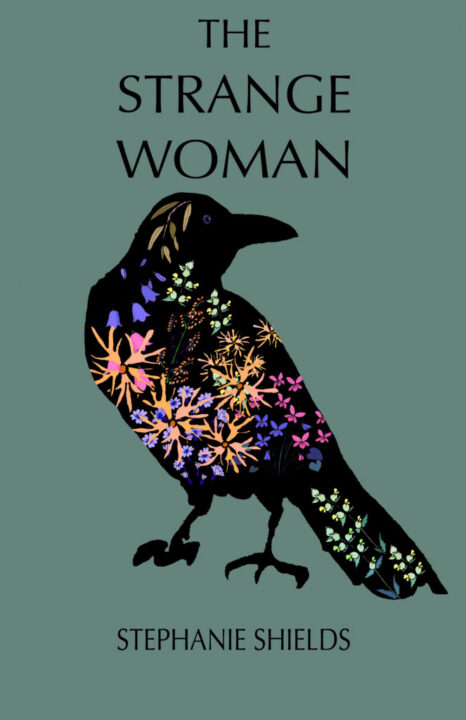
In 1621 the Yorkshire poet Edward Fairfax accused seven women from the village of Timble of witchcraft. They were tried twice at York and acquitted twice. Stephanie Shields retells the Trial of the Timble Witches from the women’s side, above all Margaret Hall’s — the strange woman of the title.
Four hundred years on, in the same valley, Margaret’s descendant Foster Hall is a curmudgeonly sheep farmer in want of a wife, and the witches have not finished interfering. A fusion of feminism, farming and the fantastical, written by a woman who farms sheep in the valley where it is set.
Why it’s here: Margaret Hall and the women of Timble were accused, imprisoned and tried by a powerful man who found them inconvenient — and they outlasted him by four hundred years. For any woman who has felt herself become inconvenient with age, this is a story about the kind of strength that gets handed down.