Books
Recommended reads for women navigating midlife and beyond.
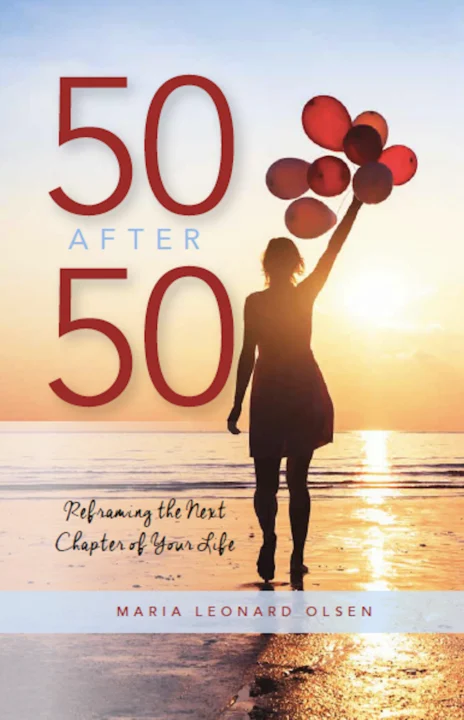
50 After 50: Reframing the Next Chapter of Your Life
At fifty, Maria Leonard Olsen had drunk her way out of a twenty-five-year marriage, put every egg in the motherhood basket, and willfully derailed a successful law career. Adrift, she gave herself a birthday assignment: fifty things she had never done before.
The first half of the book is why she needed the list. The second half works through it — adventure, travel, spirituality, physical challenge — with self-reflection questions after each. Olsen is a Washington DC lawyer, journalist and recovery advocate, and she is unsparing about the wreckage that came first.
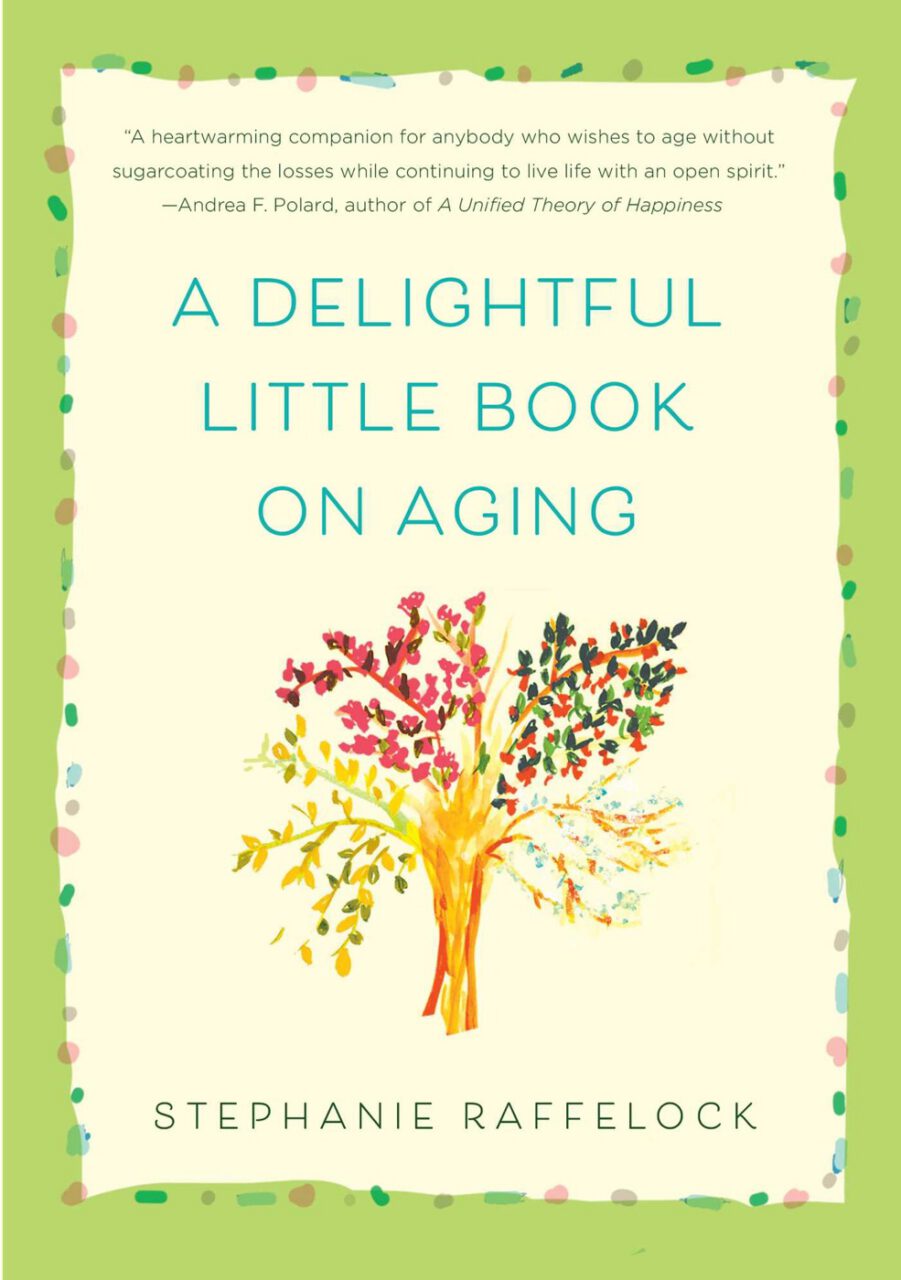
A Delightful Little Book on Aging
Short essays on getting older written without either dread or forced positivity. Raffelock is good on the small daily adjustments that nobody warns you about and that no one else seems to be discussing.
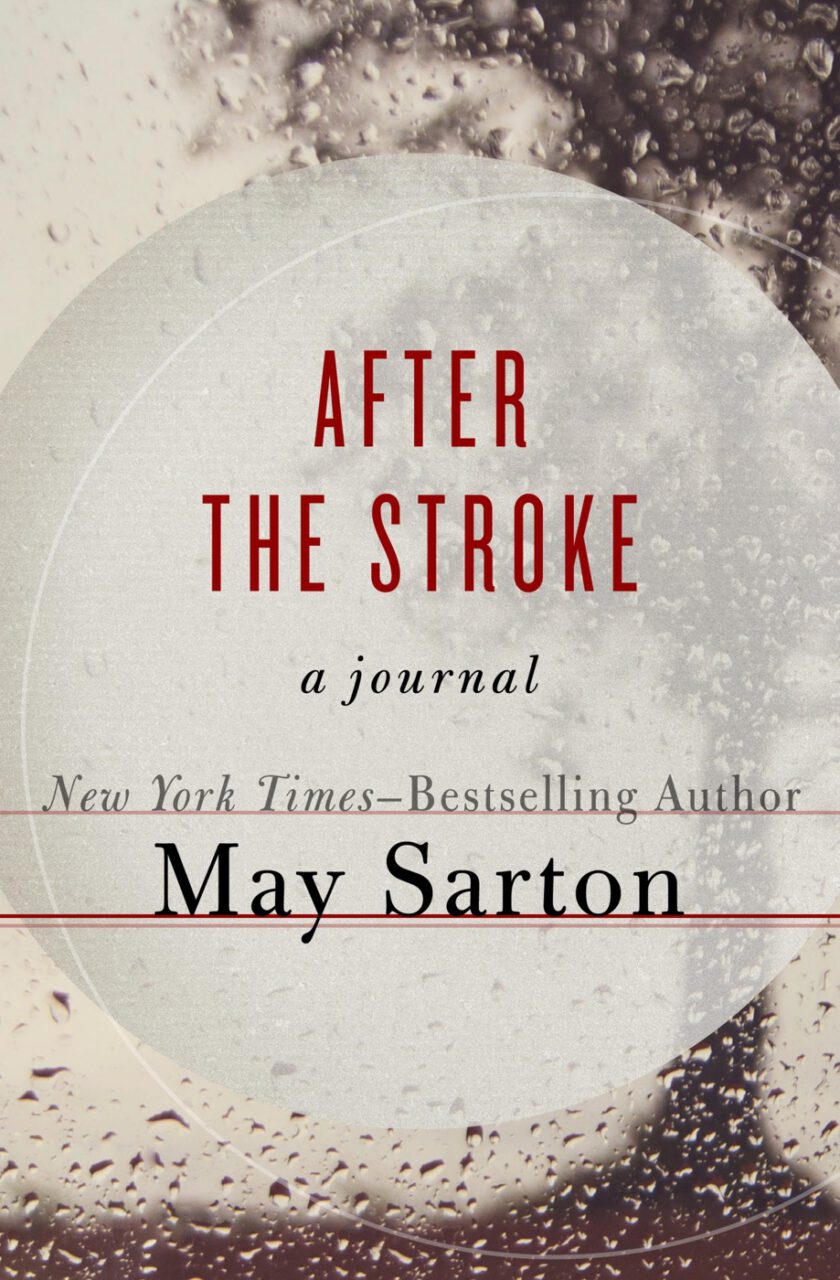
After the Stroke: A Journal
The year following her stroke at seventy-three: the loss of energy and concentration, the slow negotiation with a body that no longer complies, and the stubborn return to work. Unsentimental about what illness takes and honest about what it does not.
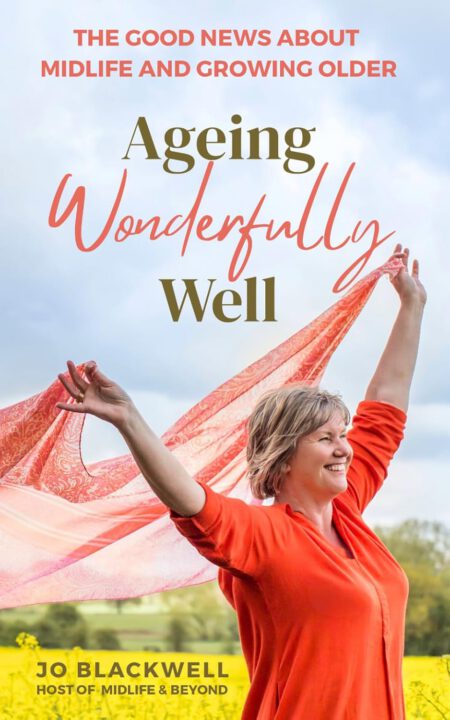
Ageing Wonderfully Well: The Good News about Midlife and Growing Older
We’re often told to fear ageing — to shrink, quieten down, disappear a little. Jo Blackwell’s answer, written the year she approached 65, is that midlife is where the truth about ageing begins. Drawing on research and the lived experience of women in their fifties, sixties and seventies, she walks through confidence, menopause, ageist assumptions absorbed over a lifetime, and roles that no longer fit — without any pressure to reinvent yourself or “fix” what isn’t broken.
Warm, evidence-informed, and firmly on your side.

Ageism Unmasked: Exploring Age Bias and How to End It
Gerontologist Tracey Gendron, who chairs the Department of Gerontology at Virginia Commonwealth University, argues that ageism is the most normalized of all prejudices — one that shapes how we treat others and how we see our own aging. Grounded in research but written for a general reader, the book is a clear-eyed guide to recognizing age bias and beginning to unlearn it.
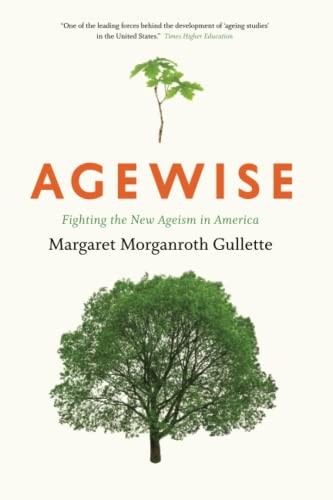
Agewise: Fighting the New Ageism in America
Margaret Morganroth Gullette argues that aging is not a biological fate but a cultural construction — that we are “aged by culture” long before our bodies slow down. This rigorous, impassioned book gives women the intellectual tools to identify and resist the ageism that shapes how we see ourselves and each other.

Aging Sideways: Changing Our Perspectives on Getting Older
Social gerontologist Jeanette Leardi makes the case that later life is a time of growth, purpose, and possibility, not inevitable decline. Drawing on research, vivid comparisons, and personal stories, she exposes the forces that frame aging as loss and offers practical strategies for aging with dignity and agency.

Aging While Black
Raymond Jetson examines the experience of aging through a Black American lens — the particular vulnerabilities, strengths, and communal resources that shape how Black elders grow old in a country that has never treated them equally. A frank and necessary perspective on race, age, and dignity.
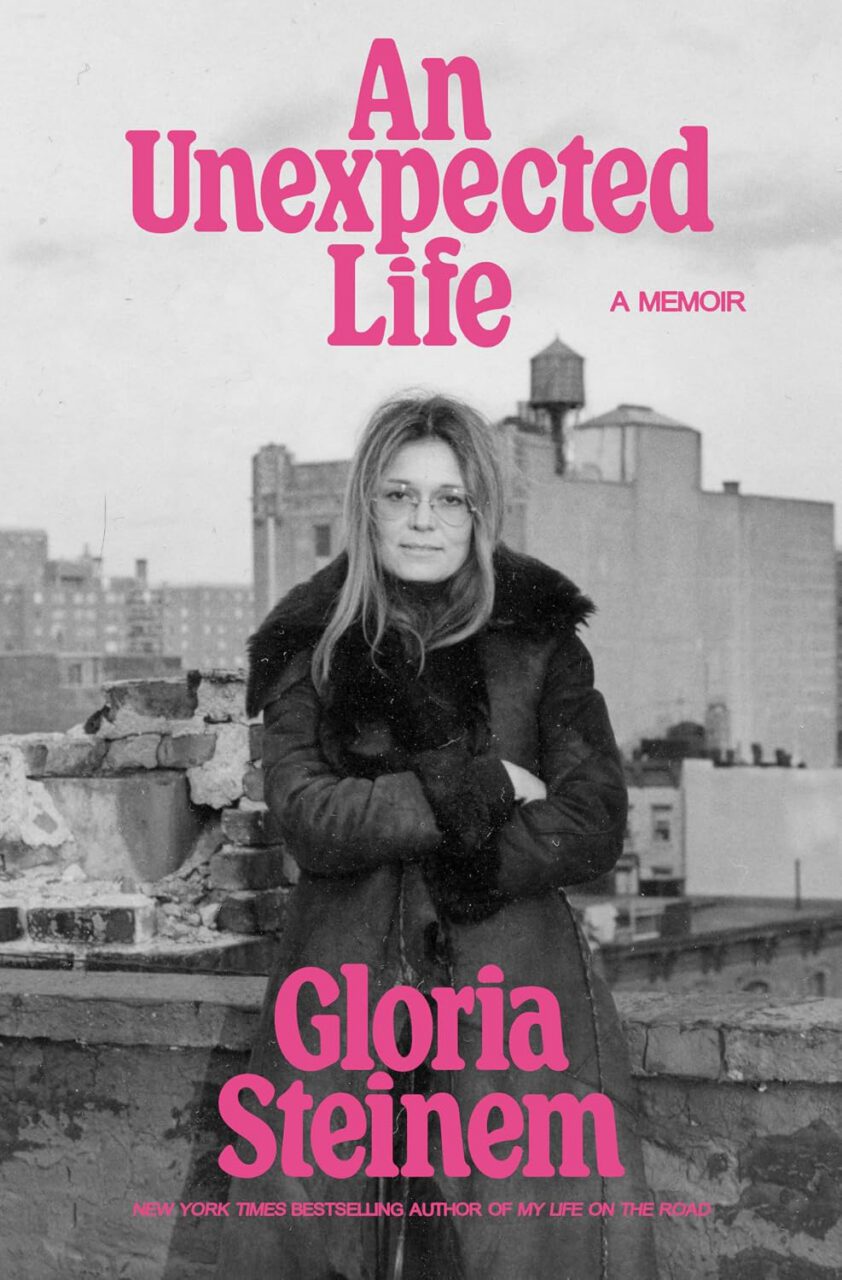
An Unexpected Life: A Memoir
Steinem’s final memoir, published weeks after her death at 92. She returns to her early life and to the equal-rights movements she helped build, and looks forward rather than back — what the fight still needs, and who will carry it. The last chance to hear directly from the voice that shaped fifty years of American feminism.
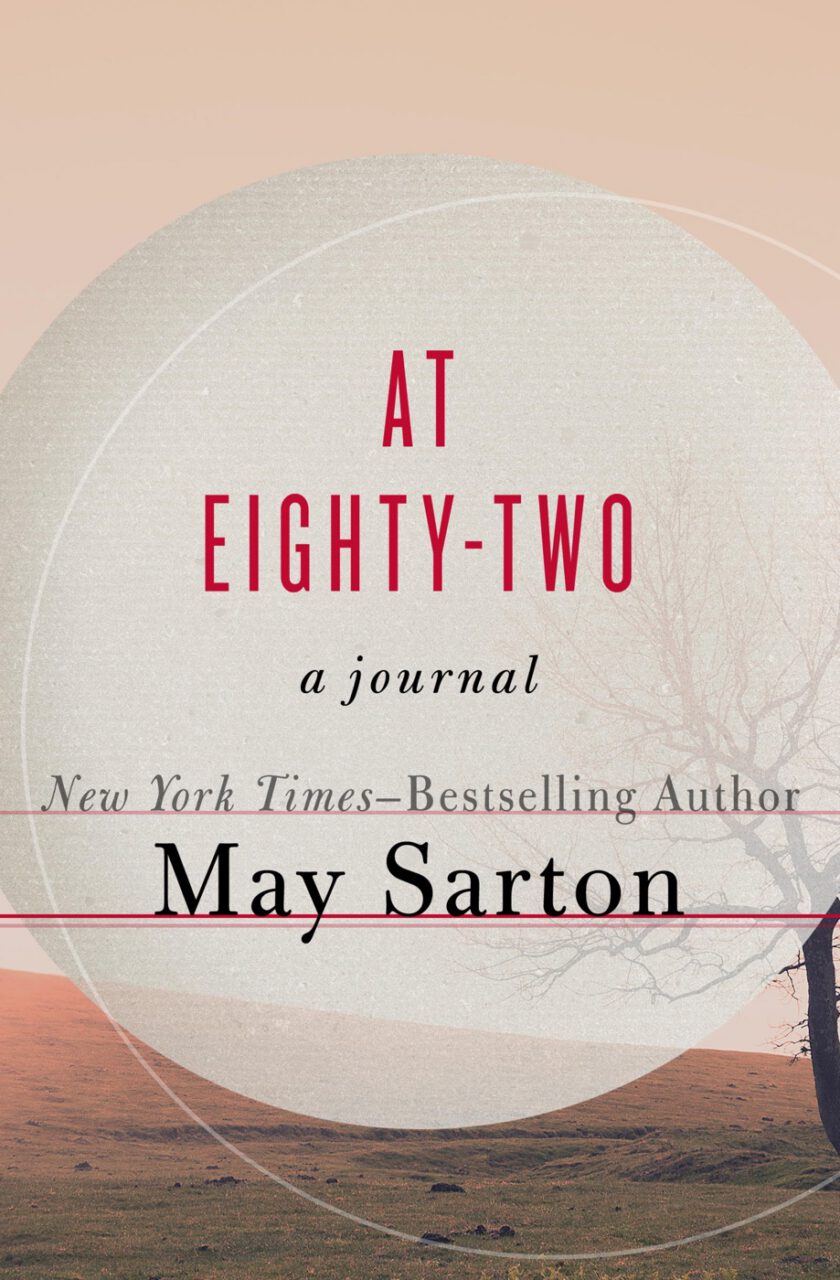
At Eighty-Two: A Journal
Sarton’s last journal, published after her death. She is dying and knows it, and the writing narrows to essentials: pain, love, the sea, and the people who come and go. The closing volume of the longest sustained record we have of a woman growing very old in public.
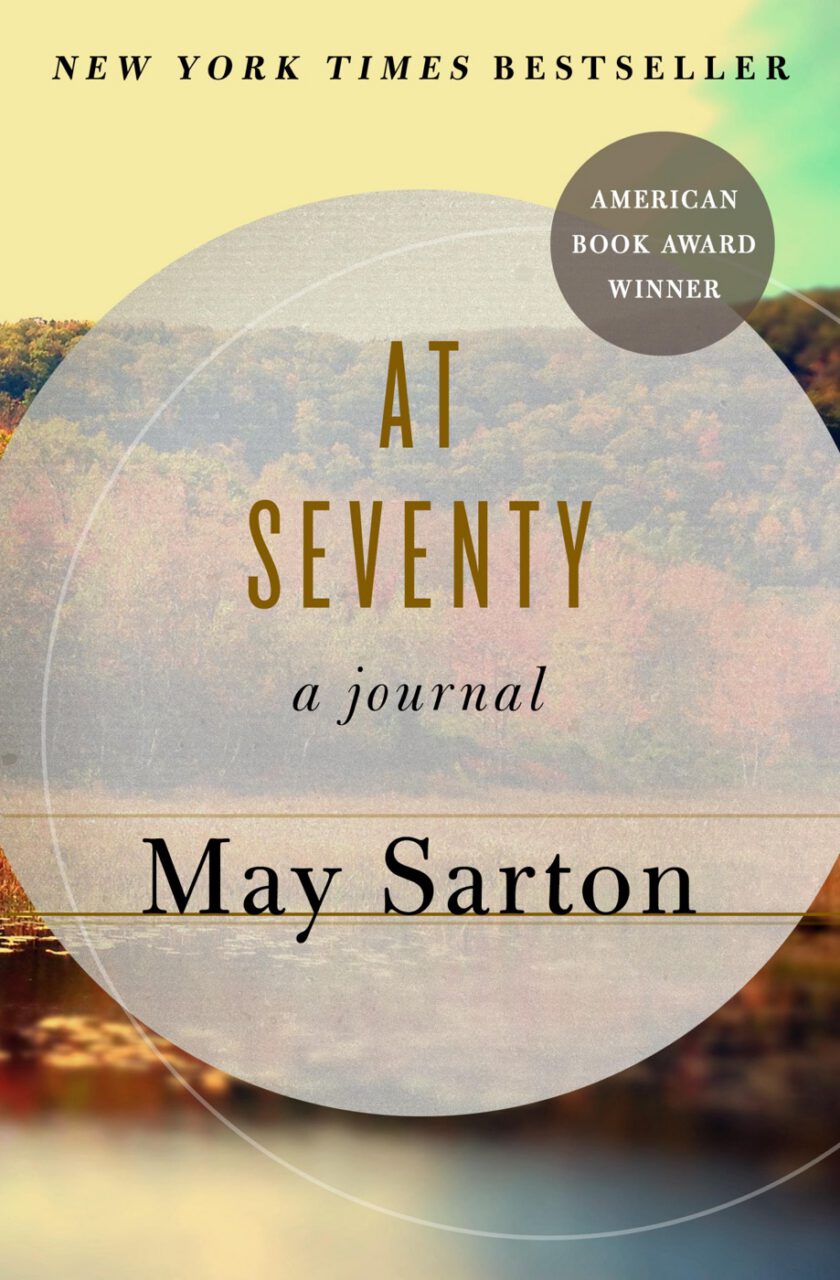
At Seventy: A Journal
The most buoyant of Sarton journals. She is seventy, with a full calendar of readings, a garden, new friendships, and the genuine surprise of finding this the best decade yet. Read alongside the later volumes it marks the high point, before illness enters the record.

Bloom: On Becoming An Artist Later in Life
When Janice Mason Steeves surveyed 138 artists aged 59 to 79 about their journeys into art, a pattern emerged: later life, far from being a barrier to creativity, can be an ideal time to begin. Weaving their stories with her own path from psychology to an international painting career, Steeves offers practical guidance and encouragement for anyone drawn to a creative life after 50.

Breaking the Age Code
Yale psychologist Becca Levy has spent decades studying how our beliefs about aging shape the way we age. Her research is remarkable: people with more positive views of their own aging live, on average, 7.5 years longer. Breaking the Age Code is both the science and the practical guide to changing how you think about getting older.

Champagne Ladies: Effervescent at Any Age
Executive coach and life strategist Dr. Susan R. Meyer gathers the stories of thirty-eight women — from their late sixties into their nineties — who are living with vitality, courage, and joy. Through intimate interviews she draws out eight qualities behind a vibrant later life: resilience, persistence, curiosity, bricolage, fearlessness, legacy, fun, and connection. A warm rebuttal to the idea that women grow less visible or less relevant with age.
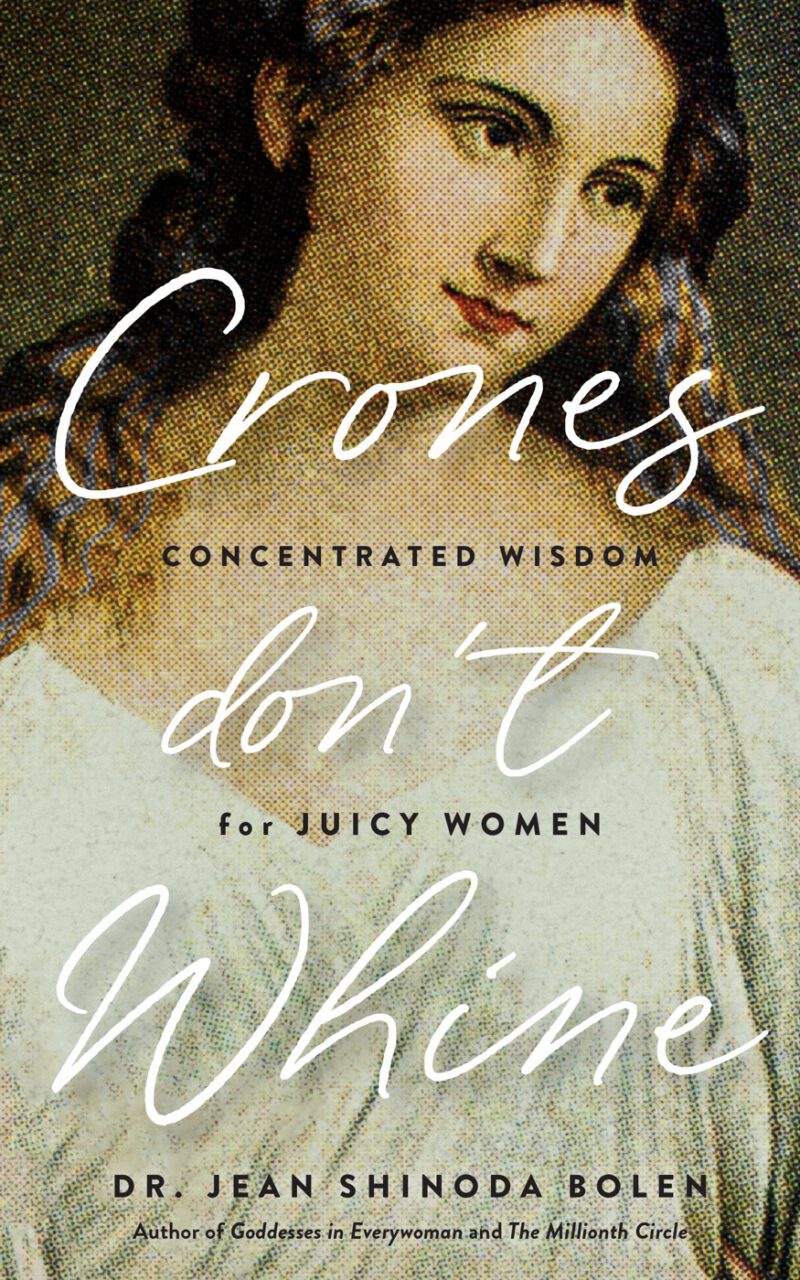
Crones Don’t Whine
Thirteen qualities Bolen argues are worth cultivating in the crone years, from a Jungian analyst who spent a career arguing that older women have archetypal authority rather than a diminished share of the young ones. A companion to her Goddesses in Older Women.

Dancing Fish and Ammonites
Penelope Lively, in her late 70s, reflects on memory, reading, objects, and the experience of having lived a long life. Part memoir, part meditation on what persists when so much has changed, this is a writer’s accounting of what age has clarified and what it has taken away.
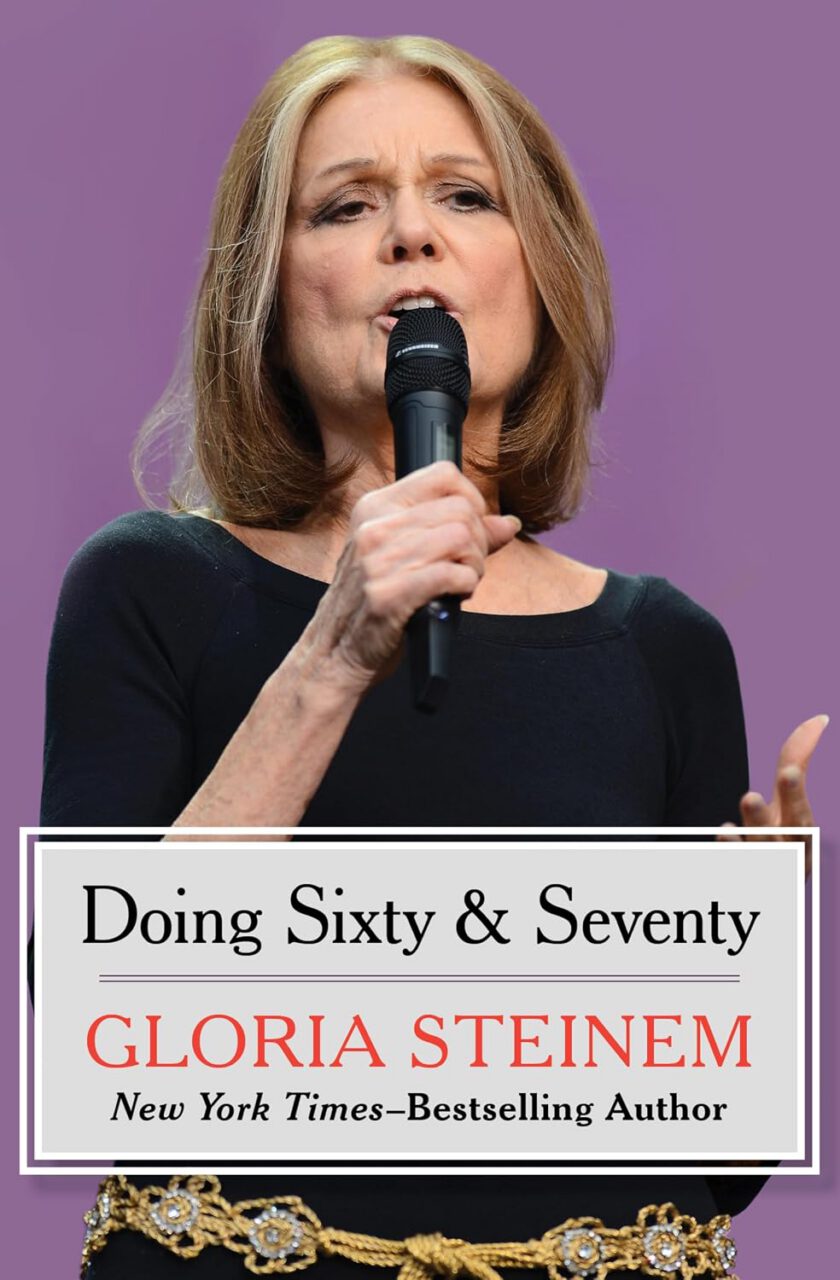
Doing Sixty & Seventy
One day I woke up and there was a seventy-year-old woman in my bed. Two long essays on women and ageing from a writer who spent her sixties and seventies refusing the script. Steinem is direct about what changes, what does not, and why she found these decades freer than the ones before — the most squarely on-topic book she wrote.
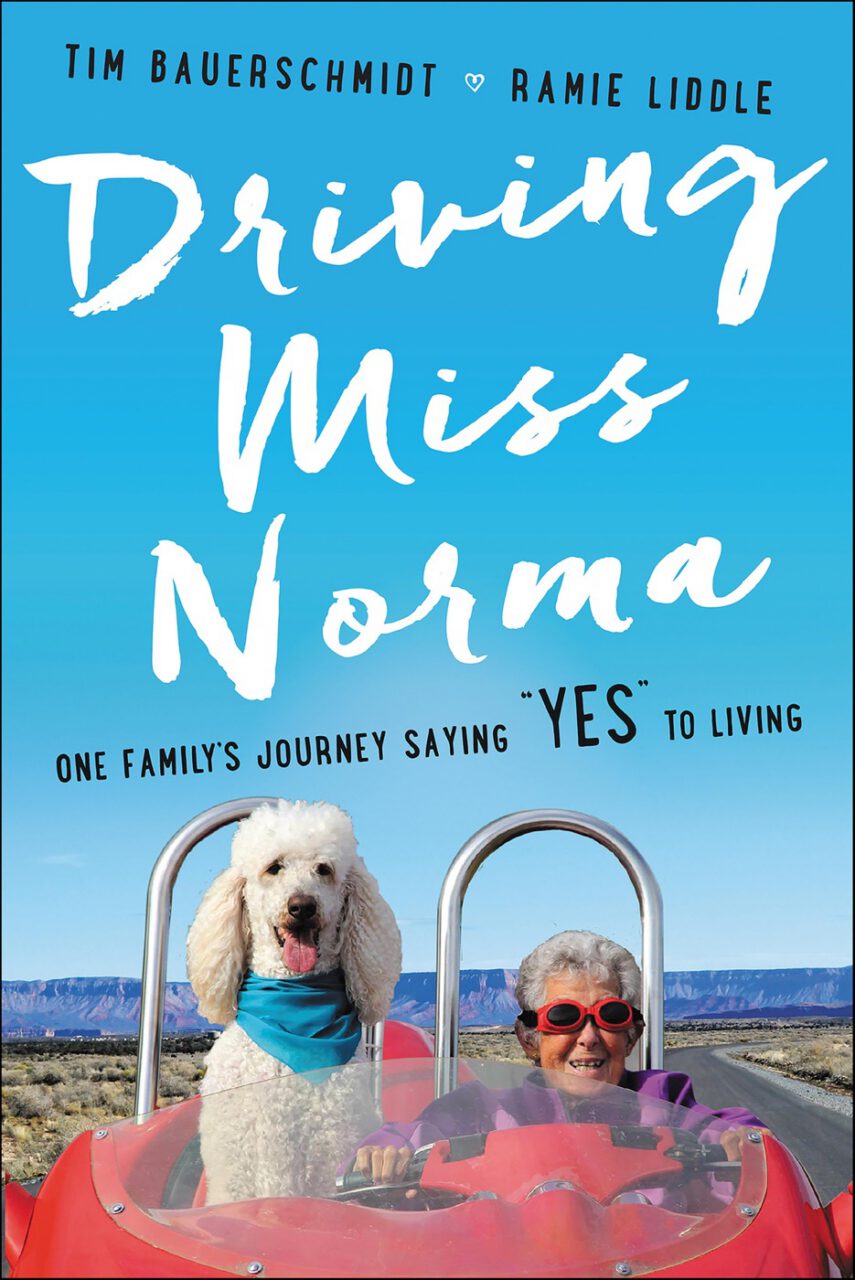
Driving Miss Norma
Ninety years old and newly diagnosed with uterine cancer, Norma Bauerschmidt declined treatment and got in the motorhome with her son and daughter-in-law instead. A book about an old woman making her own call about her own ending.

Elderhood
Geriatrician Louise Aronson spent 25 years caring for older patients before writing this Pulitzer finalist — part memoir, part manifesto — arguing that America’s medical system is failing its elders and that old age deserves to be treated as a distinct, valuable stage of human life, not a problem to be managed.
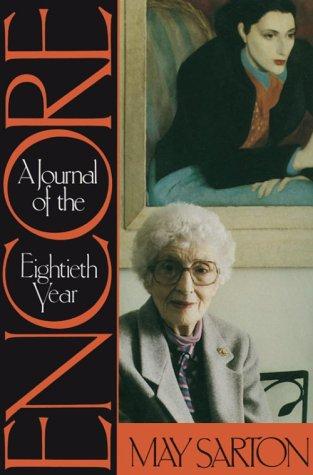
Encore: A Journal of the Eightieth Year
Eighty, and still keeping the account: birds, letters, visitors, the garden, and a clear-eyed reckoning with how much time is left. The title is not ironic. Sarton found this year had a great deal more in it than she had expected.
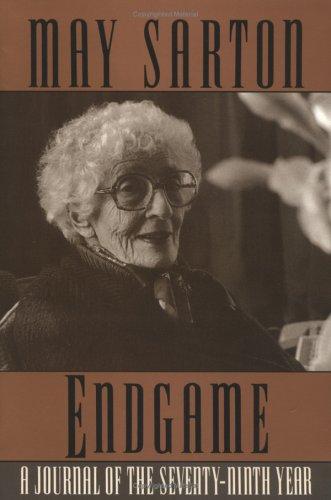
Endgame: A Journal of the Seventy-Ninth Year
The seventy-ninth year, kept partly by dictation as writing by hand became difficult. Sarton is frank about pain, dependence and diminishment, and equally frank about the pleasures that outlast them.
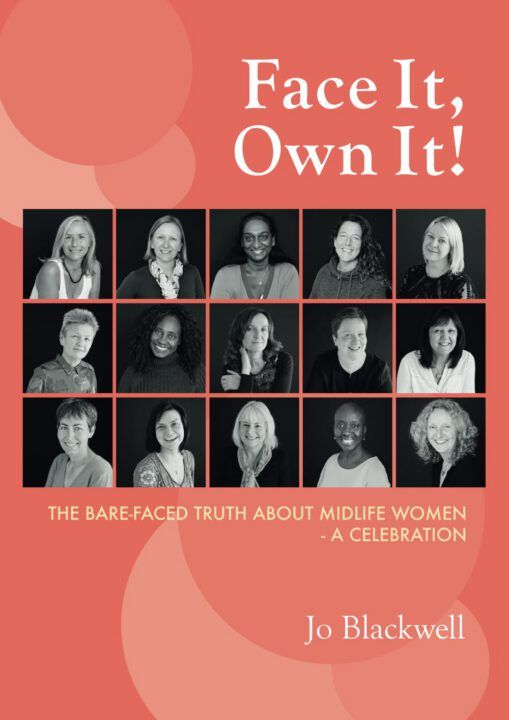
Face it, Own it!: The Bare-faced Truth about Midlife Women
When you look in the mirror, what do you see? Photographer Jo Blackwell put that question to hundreds of women and photographed 166 of them exactly as they are — no make-up, no styling, no filters — each portrait paired with the woman’s own words about growing older, being seen, and letting go of unrealistic expectations. Featured by the BBC, it is not a glossy “embrace ageing” book; it is a quiet, truthful record of older faces, and an argument that every one of them is worth looking at.
Why it’s here: The portraits begin at forty, not fifty — but the project’s whole subject is the visibility and self-acceptance the second half of life demands, and its honest older faces are the point.

Fifty Over Fifty: Wise and Wild Women Creating Wonderful Lives (And You Can Too!)
Drawn from the lives of fifty women who built rewarding lives on their own terms, Dr. Susan R. Meyer’s guide distills seven key factors for creating the life you deserve — at any age. Her subjects span Fortune 100 executives, entrepreneurs, a home health aide, and a retired saleswoman, and among them have weathered job loss, divorce, illness, and widowhood. Part inspiration, part practical roadmap for reinvention in the second half of life.

Goddesses in Older Women
In this follow-up to her classic Goddesses in Everywoman, Jungian analyst Jean Shinoda Bolen turns to the years after fifty, naming four “crone” archetypes — Metis, Sophia, Hecate, and Hestia — that embody different faces of wisdom, intuition, and spiritual depth. She reframes growing older as a rich third act rather than a decline, and closes by encouraging older women to gather in circles and become a force for change. A thoughtful companion for any woman looking for meaning and power in her later decades.