Books
Recommended reads for women navigating midlife and beyond.
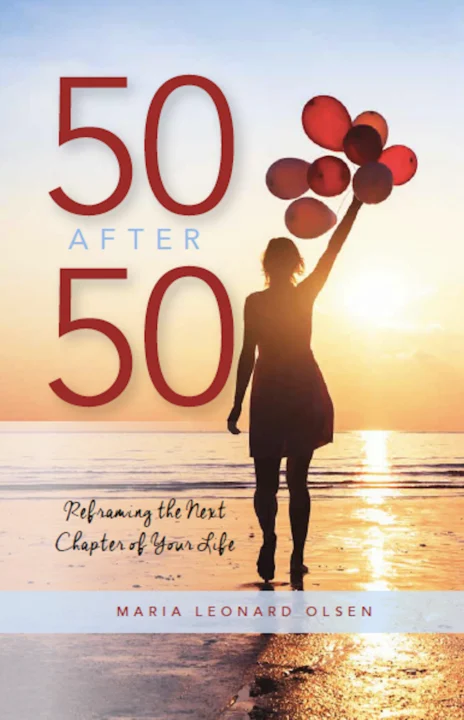
50 After 50: Reframing the Next Chapter of Your Life
At fifty, Maria Leonard Olsen had drunk her way out of a twenty-five-year marriage, put every egg in the motherhood basket, and willfully derailed a successful law career. Adrift, she gave herself a birthday assignment: fifty things she had never done before.
The first half of the book is why she needed the list. The second half works through it — adventure, travel, spirituality, physical challenge — with self-reflection questions after each. Olsen is a Washington DC lawyer, journalist and recovery advocate, and she is unsparing about the wreckage that came first.

A Tale for the Time Being
On a beach in British Columbia, a writer named Ruth finds a Hello Kitty lunchbox washed up from the 2011 tsunami. Inside is the diary of Nao, a Japanese teenager desperate to be understood, and each page pulls Ruth — and the reader — deeper into the mystery of Nao’s life. Weaving across continents and decades, Ruth Ozeki’s novel is a meditation on time, connection, and our shared humanity.
Why it’s here: One of the book’s two narrators is a teenage girl, but the other is Ruth, a midlife woman writer whose own reckoning with meaning and mortality anchors the story.
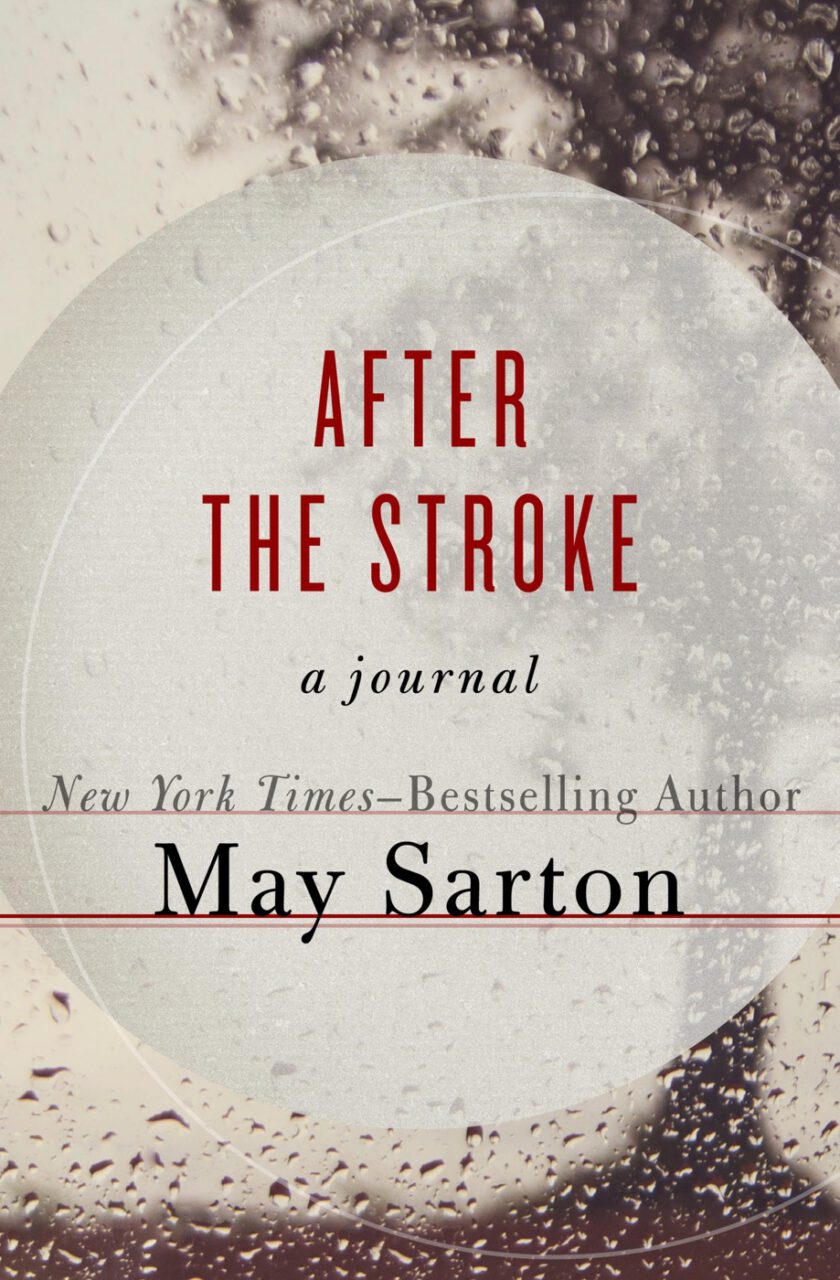
After the Stroke: A Journal
The year following her stroke at seventy-three: the loss of energy and concentration, the slow negotiation with a body that no longer complies, and the stubborn return to work. Unsentimental about what illness takes and honest about what it does not.

Anti-Diet: Reclaim Your Time, Money, Well-Being, and Happiness Through Intuitive Eating
Registered dietitian and journalist Christy Harrison dismantles diet culture — the harmful system that profits from women’s food anxiety — and presents intuitive eating as a radical, evidence-based alternative. Especially relevant during menopause when diet-culture pressure often intensifies.
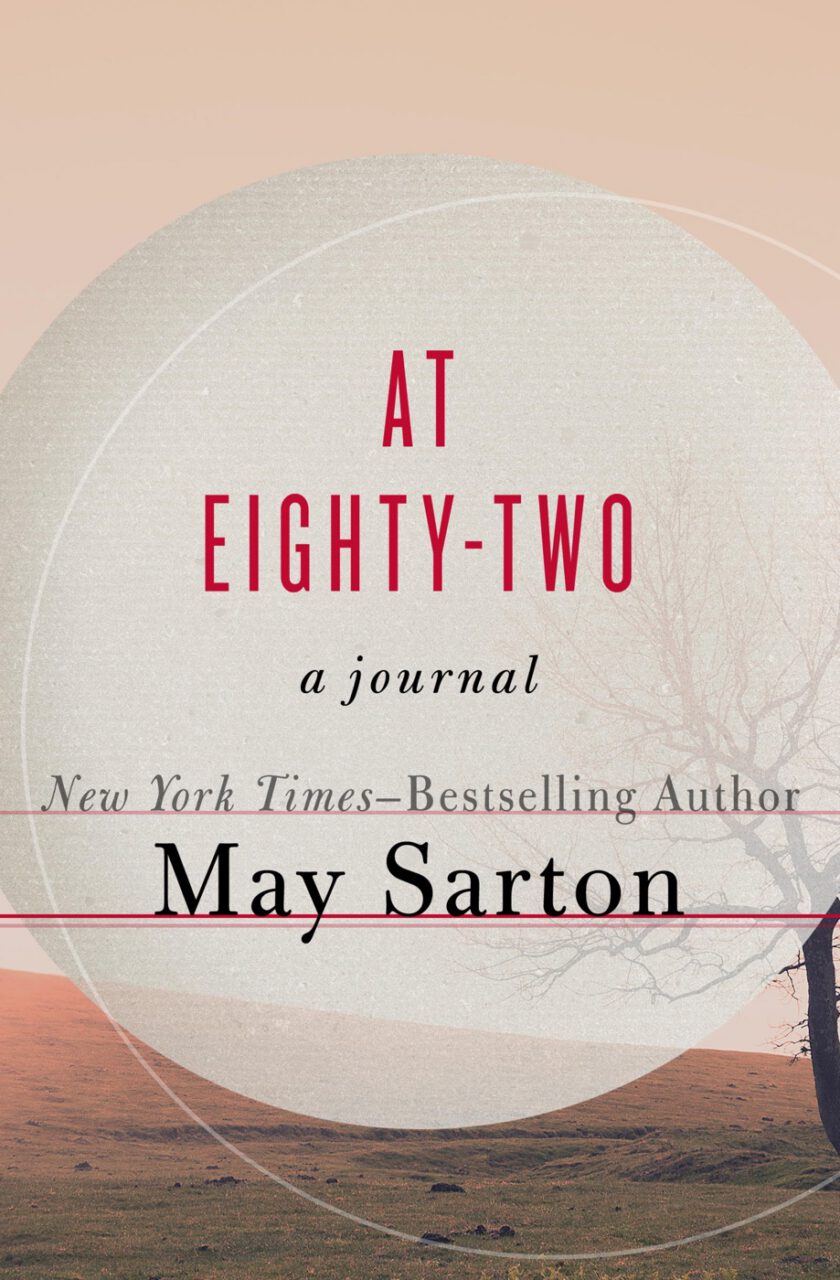
At Eighty-Two: A Journal
Sarton’s last journal, published after her death. She is dying and knows it, and the writing narrows to essentials: pain, love, the sea, and the people who come and go. The closing volume of the longest sustained record we have of a woman growing very old in public.
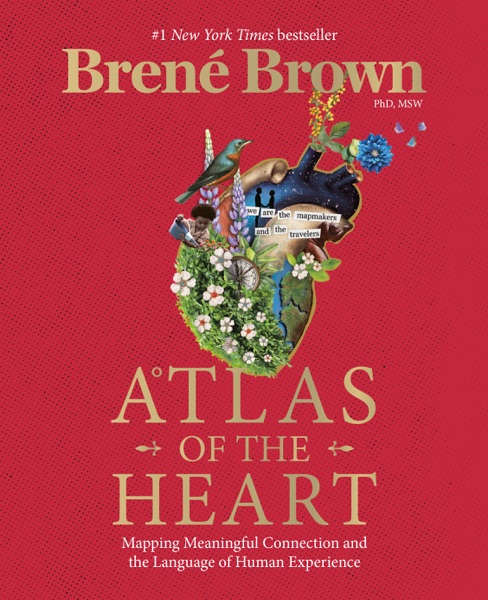
Atlas of the Heart: Mapping Meaningful Connection and the Language of Human Experience
Brené Brown maps 87 emotions and experiences — naming them precisely and explaining how language shapes connection, belonging, and wellbeing. An invaluable tool for women in midlife working to understand and articulate their complex emotional lives.

Breaking the Age Code
Yale psychologist Becca Levy has spent decades studying how our beliefs about aging shape the way we age. Her research is remarkable: people with more positive views of their own aging live, on average, 7.5 years longer. Breaking the Age Code is both the science and the practical guide to changing how you think about getting older.
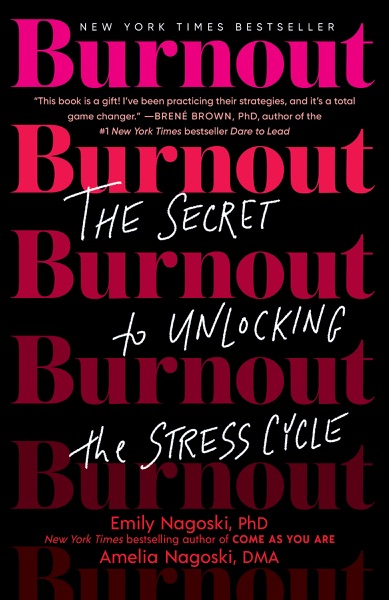
Burnout: The Secret to Unlocking the Stress Cycle
Sisters Emily and Amelia Nagoski explain why women experience burnout differently than men, and offer science-backed strategies for completing the stress cycle and recovering your wellbeing. Essential for women who have spent decades caregiving, working, and putting themselves last.
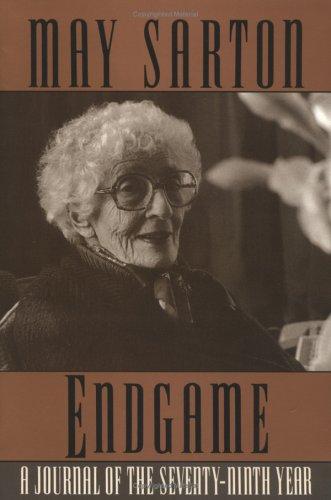
Endgame: A Journal of the Seventy-Ninth Year
The seventy-ninth year, kept partly by dictation as writing by hand became difficult. Sarton is frank about pain, dependence and diminishment, and equally frank about the pleasures that outlast them.

Estrogen Matters
A powerful corrective to decades of fear around hormone therapy. Presents the science showing estrogen is safe and beneficial for most women. Essential before any HRT decision.
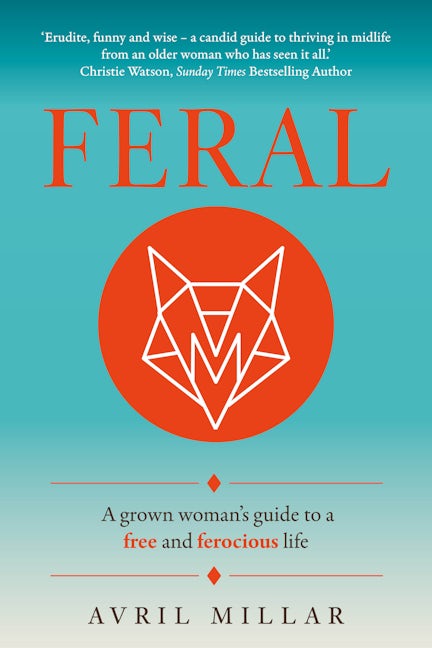
Feral: A Grown Woman’s Guide to a Free and Ferocious Life
Millar is seventy-four and has had five careers, including civil engineering, teaching physics, building and losing businesses, and running a global headhunting firm through the 2008 crash. Her argument is that midlife advice keeps women waiting for systems to change, and that self-knowledge and boundaries are the faster route to autonomy.
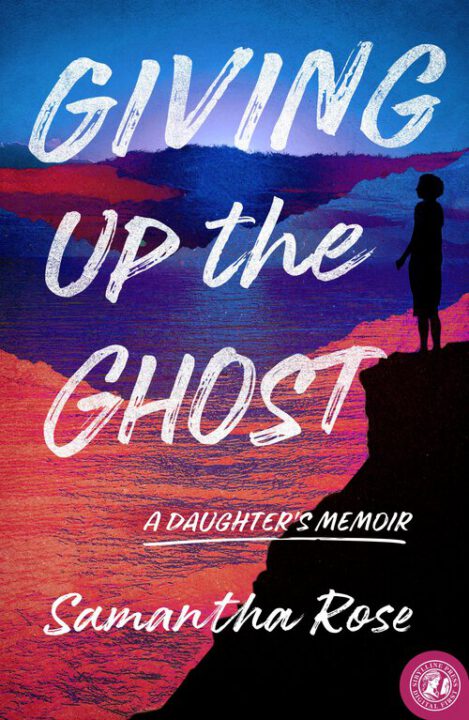
Giving Up the Ghost: A Daughter’s Memoir
Bestselling ghostwriter Samantha Rose steps out of the shadows to unravel the mystery of her mother’s suicide. As her mother seems to return ‘from beyond’ to explain her choice, this raw, darkly funny memoir explores mental health, mother-daughter love, and writing forward after loss.
Why it’s here: At its center is an older mother’s life and death, and a daughter’s reckoning with the woman she thought she knew. (Sensitive: suicide.)

Gut
A delightful, illustrated guide to the digestive system — including the gut microbiome’s role in immunity, mental health, and hormonal balance. Menopause dramatically shifts gut bacteria, making this essential background reading.
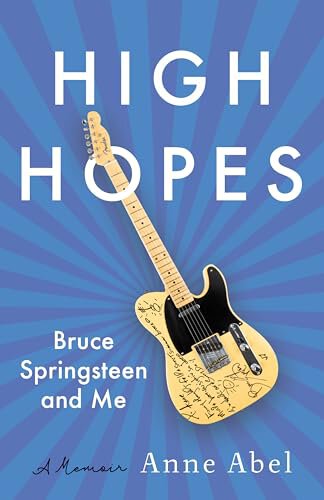
High Hopes
At fifty-nine, after a lifetime of depression, Anne is unexpectedly lifted by a Springsteen concert. At sixty she quits teaching and books a solo twenty-six-day trip following his Australian tour — a late-life adventure that changes her.
Journal of a Solitude
Sarton was sixty-one when she kept this record of a single year in her New Hampshire farmhouse, writing deliberately against the sunny public image her earlier memoir had created. It is a book about solitude as a working condition rather than a sorrow, and it is unguarded about depression, rage, and the cost of arranging a whole life around the work.
Recovering: A Journal
Written in her sixty-seventh year, through a mastectomy, a savage review of her work, and the end of a love affair. Sarton set out to record what recovery actually looks like from the inside, and produced one of the few sustained accounts of an older woman body and mind under real strain.
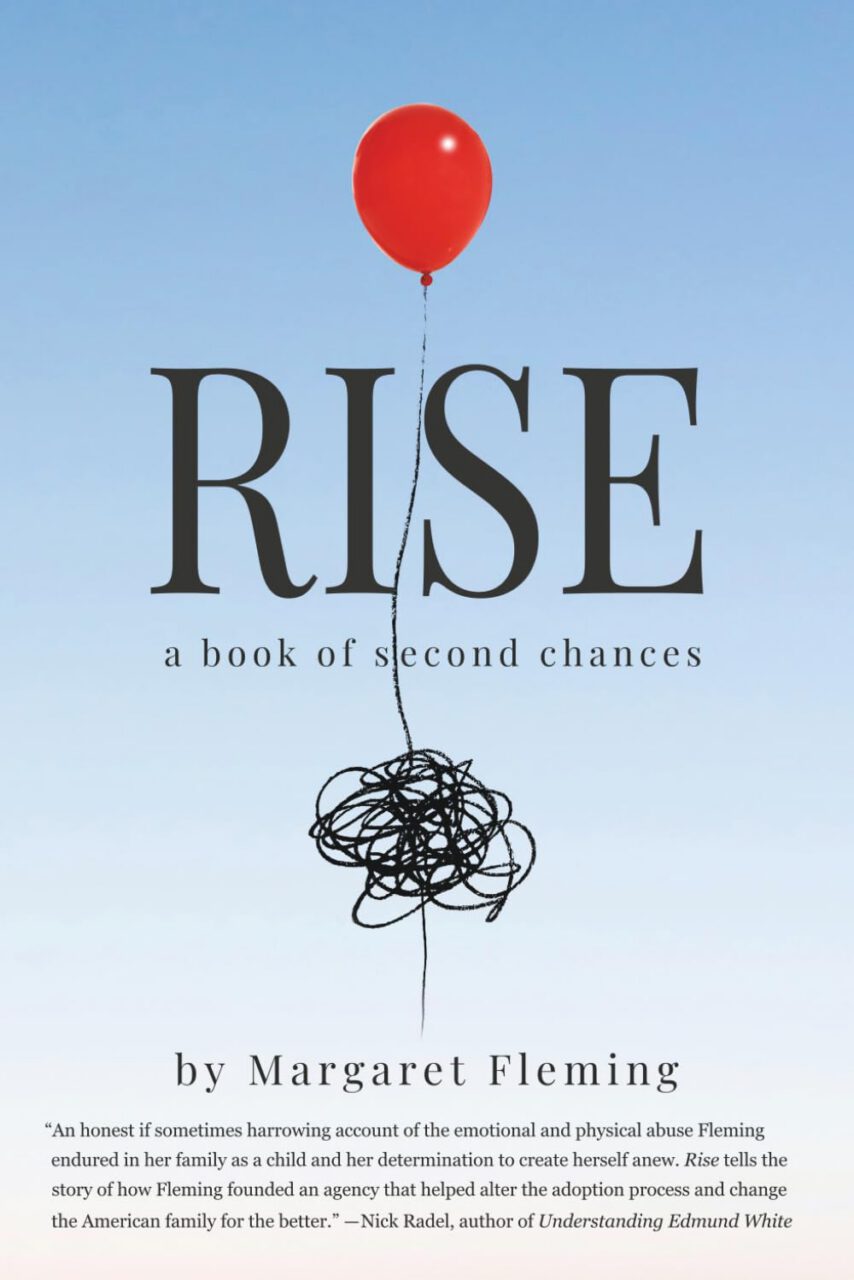
RISE: A Book of Second Chances
Margaret Fleming published her first book at eighty-eight, and she is still practicing as a psychotherapist. Rise covers a childhood destroyed by her father, a marriage spent trying to be normal, alcoholism and a near-fatal suicide attempt, and then the long rebuilding: sobriety, a degree in social work, a psychotherapy practice, an adoption agency for hard-to-place children, and coming out as a woman who loves women. She adopted the youngest of her ten children, a six-day-old infant, as a single mother in her late sixties.
Content note: this book describes incest and a suicide attempt.
Why it is here: Much of what Fleming survives happens long before fifty. It earns its place because it was written at eighty-eight, looking back across the whole of it, by a woman who kept recognizing second chances and taking them well into her sixties and beyond.
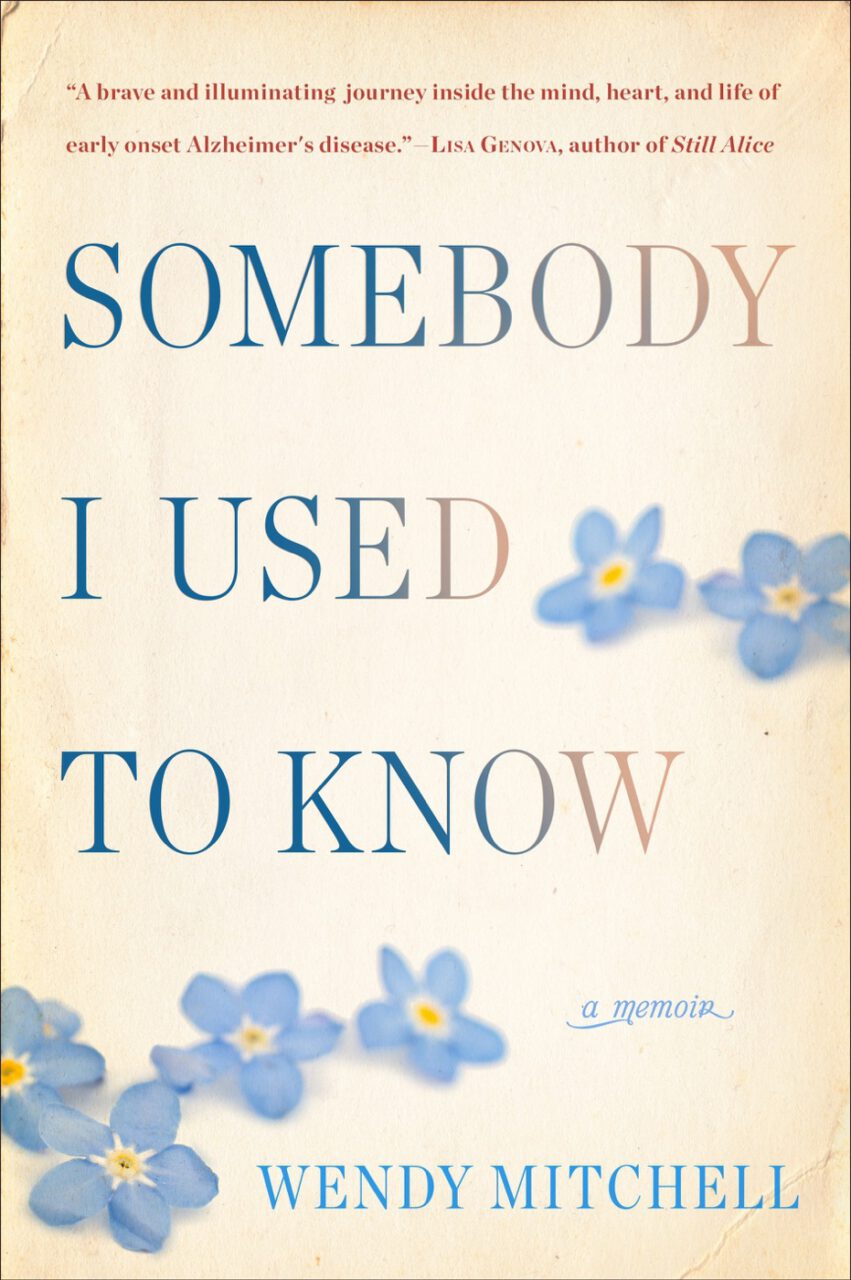
Somebody I Used to Know
Mitchell was fifty-eight, working for the NHS, when she was diagnosed with young-onset dementia. Written from inside the diagnosis rather than beside it, which is what makes it different from everything else on the subject.

The Calculating Stars
In an alternate 1952, a meteorite strike devastates the U.S. East Coast and forces humanity to race for the stars before Earth becomes unlivable. Dr. Elma York — a former WWII WASP pilot and gifted mathematician working as a human ‘computer’ for the fledgling space program — battles entrenched sexism and her own anxiety to win a place among the first women astronauts. Winner of the Hugo, Nebula, and Locus awards.
Why it’s here: Elma is in her thirties in this first book, but the series grew from Kowal’s short story ‘The Lady Astronaut of Mars,’ in which Elma is a 63-year-old astronaut called back for one last mission — an older woman’s story of nerve and competence that anchors the whole arc.
The Female Brain
Neuropsychiatrist Louann Brizendine’s accessible guide to the female brain across the lifespan — including the profound neurological changes that occur in perimenopause and menopause, and how they shape emotion, memory, and behavior.
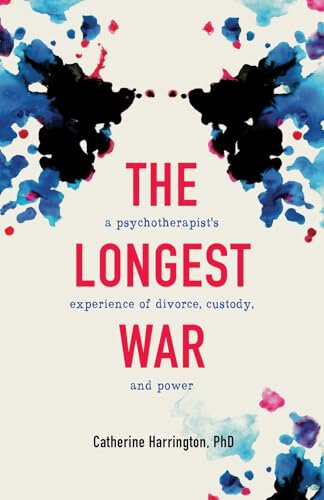
The Longest War
A psychotherapist’s memoir of a long, bruising divorce and custody battle with a wealthy ex — a high-stakes fight that surfaces old wounds and, ultimately, a path to healing.
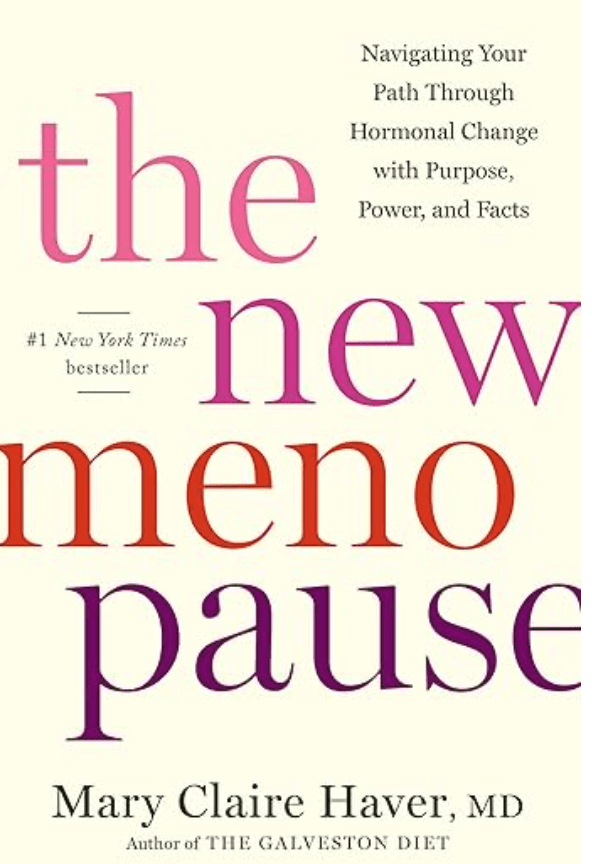
The New Menopause
Dr. Mary Claire Haver delivers a comprehensive, evidence-based guide to perimenopause and menopause — hormones, nutrition, sleep, strength training, and mental health.

The Upgrade: How the Female Brain Gets Stronger and Better in Midlife and Beyond
Neuropsychiatrist Louann Brizendine reframes menopause as a neurological upgrade — arguing that the female brain actually improves in focus, decision-making, and emotional regulation after the transition. A profoundly optimistic perspective grounded in neuroscience.
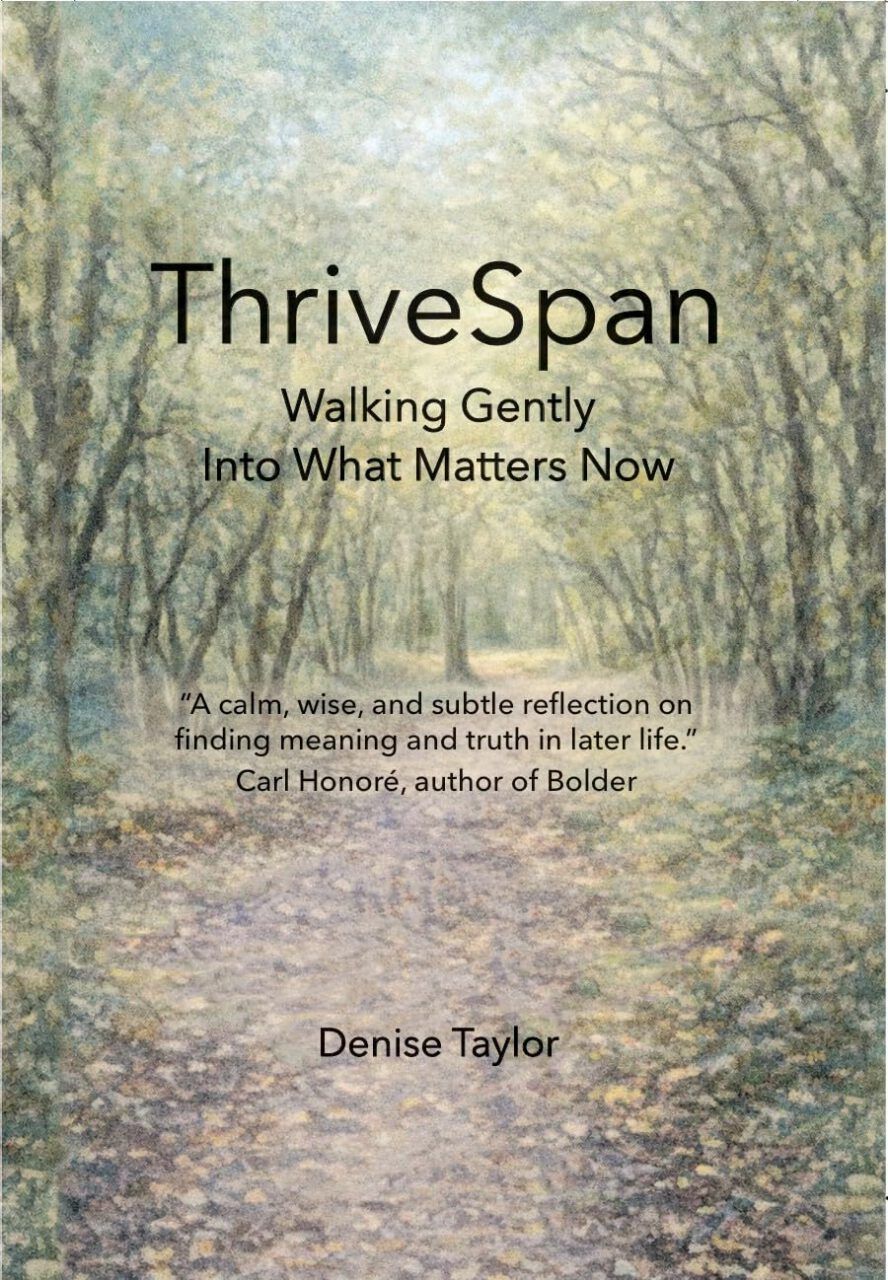
ThriveSpan
From chartered psychologist Dr. Denise Taylor, ThriveSpan is a reflective, research-grounded guide to later life — charting a more conscious path through aging where wellbeing, purpose, and reflection meet. Drawing on psychology, lived experience, and the restorative influence of nature, it reframes growing older as a season to walk gently into what matters now.