Books
Recommended reads for women navigating midlife and beyond.
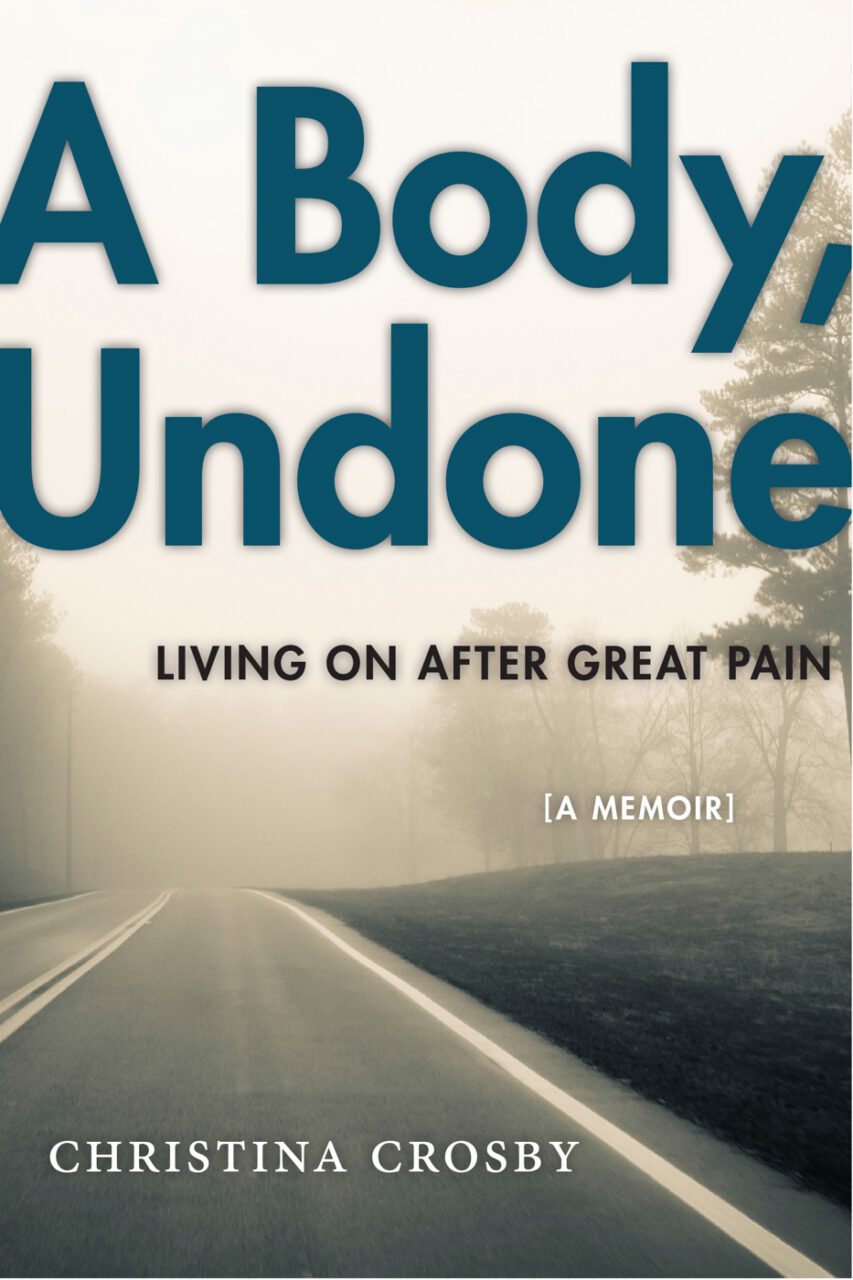
A Body, Undone
At fifty, a cycling accident left Crosby, a professor and a lesbian, quadriplegic. She writes about pain, dependence, desire and gender in a body that no longer does what it did, without redemption arc.

A Two-Spirit Journey: The Autobiography of a Lesbian Ojibwa-Cree Elder
Ma-Nee Chacaby was born into poverty on a remote Ojibwa-Cree reserve in Ontario, survived abuse and addiction, and came out as a lesbian elder at a time when her community had no name for what she was. Her autobiography is a story of survival, identity, and the power of Two-Spirit tradition — told with unflinching honesty by an elder who refused to disappear.
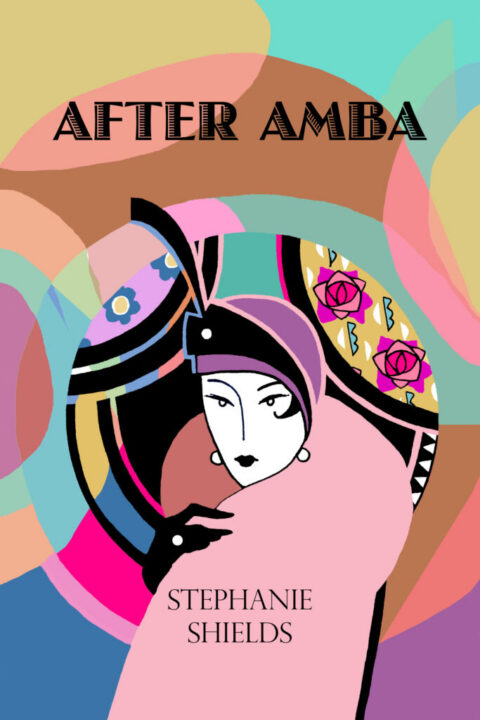
After Amba
Amba is a fashion and travel writer and a 1920s “New Woman” — she flouts the mores, climbs the barriers, makes some deeply questionable choices, and loves a woman named Ida against the whole grain of her age. Then she dies in a mid-air collision.
Seventy years on, her brother Andrew hires a young research librarian, Frasey, to put Amba’s archive in order, and Amba proceeds to take over Frasey’s life as thoroughly as she took over her own. Stephanie Shields writes it joyous and dark by turns, with a full-circle ending readers keep singling out.
Why it’s here: Amba is a woman whose whole life gets weighed only after it ends — by the people left holding her papers, seventy years on. It is a novel about who gets to decide what a woman’s life meant, which is a question that arrives for all of us eventually.
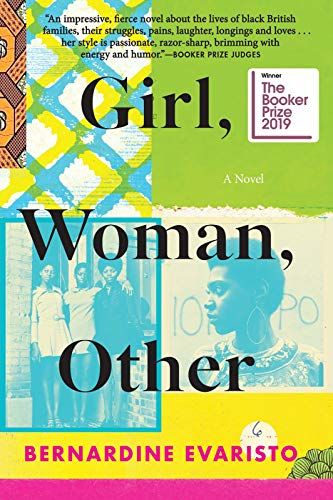
Girl, Woman, Other
Bernardine Evaristo’s Booker Prize–winning novel follows twelve characters — mostly Black British women, spanning generations from a teenager to a woman in her nineties — whose lives interweave across a century and the length of Britain, from Newcastle to Cornwall. Each is chasing something: a shared past, an unexpected future, a place to belong, a lost mother or father, a touch of hope. Told in Evaristo’s fluid, near-verse style, it is a portrait of British womanhood as it has rarely been written.

Maeve Rising: Coming Out Trans in Corporate America
After decades of depression, addiction, and self-loathing, Maeve DuVally got sober and, as a public-facing communications executive at Goldman Sachs, took the hardest step of coming out as her true self. To her surprise the firm embraced her, and a New York Times profile launched a new life as a role model.
Why it’s here: Maeve steps fully into herself in her late fifties — a later-life memoir of reinvention and courage from a woman who refused to run out the clock as someone she wasn’t.
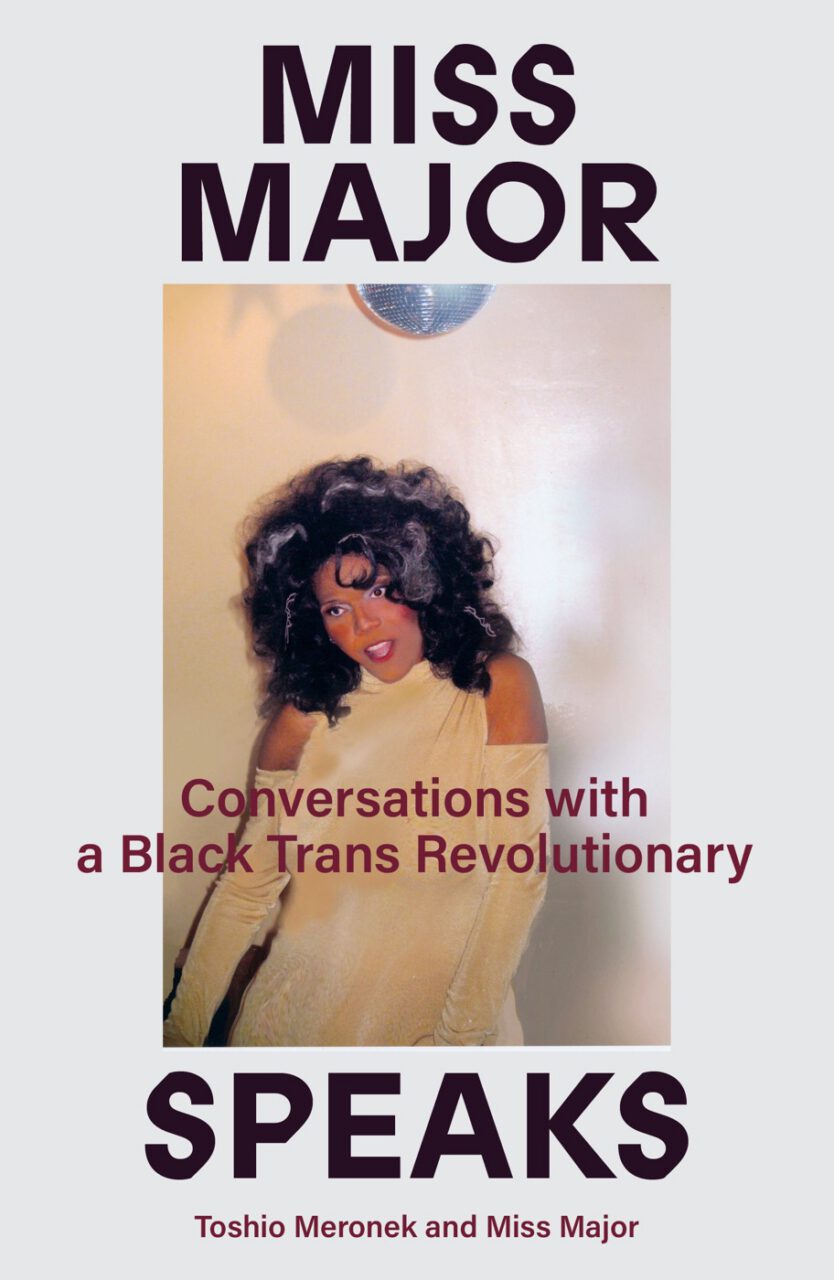
Miss Major Speaks
Miss Major, a Black trans woman in her late seventies, in conversation about Stonewall, prison organizing, six decades of movement work, and the particular authority of having outlived nearly everyone who said she would not.
Mrs. Stevens Hears the Mermaids Singing
Hilary Stevens, a poet in her seventies, submits to a day of interviews and ends up reviewing an entire life: the marriage, the women she loved, and where the poems came from. This is the novel in which Sarton wrote openly about lesbian love, at genuine professional cost to herself.

Native Country of the Heart: A Memoir
Chicana playwright and activist Cherríe Moraga braids her own coming-of-age and coming out with the story of her mother, Elvira, and Elvira’s long decline into Alzheimer’s. It is a memoir about memory, inheritance, and the grief of watching a parent fade — and, through one family, a larger reckoning with Mexican American identity and belonging.
RISE: A Book of Second Chances
Margaret Fleming published her first book at eighty-eight, and she is still practicing as a psychotherapist. Rise covers a childhood destroyed by her father, a marriage spent trying to be normal, alcoholism and a near-fatal suicide attempt, and then the long rebuilding: sobriety, a degree in social work, a psychotherapy practice, an adoption agency for hard-to-place children, and coming out as a woman who loves women. She adopted the youngest of her ten children, a six-day-old infant, as a single mother in her late sixties.
Content note: this book describes incest and a suicide attempt.
Why it is here: Much of what Fleming survives happens long before fifty. It earns its place because it was written at eighty-eight, looking back across the whole of it, by a woman who kept recognizing second chances and taking them well into her sixties and beyond.

Vampires of a Certain Age
Shunned as a medieval healer and rescued by a vampire, Marion Chase joins a sisterhood devoted to ethical living. Five centuries later she runs a Chicago blood bank with a hidden sideline — until she falls for the one person who could destroy her.