
Books
Recommended reads for women navigating midlife and beyond.
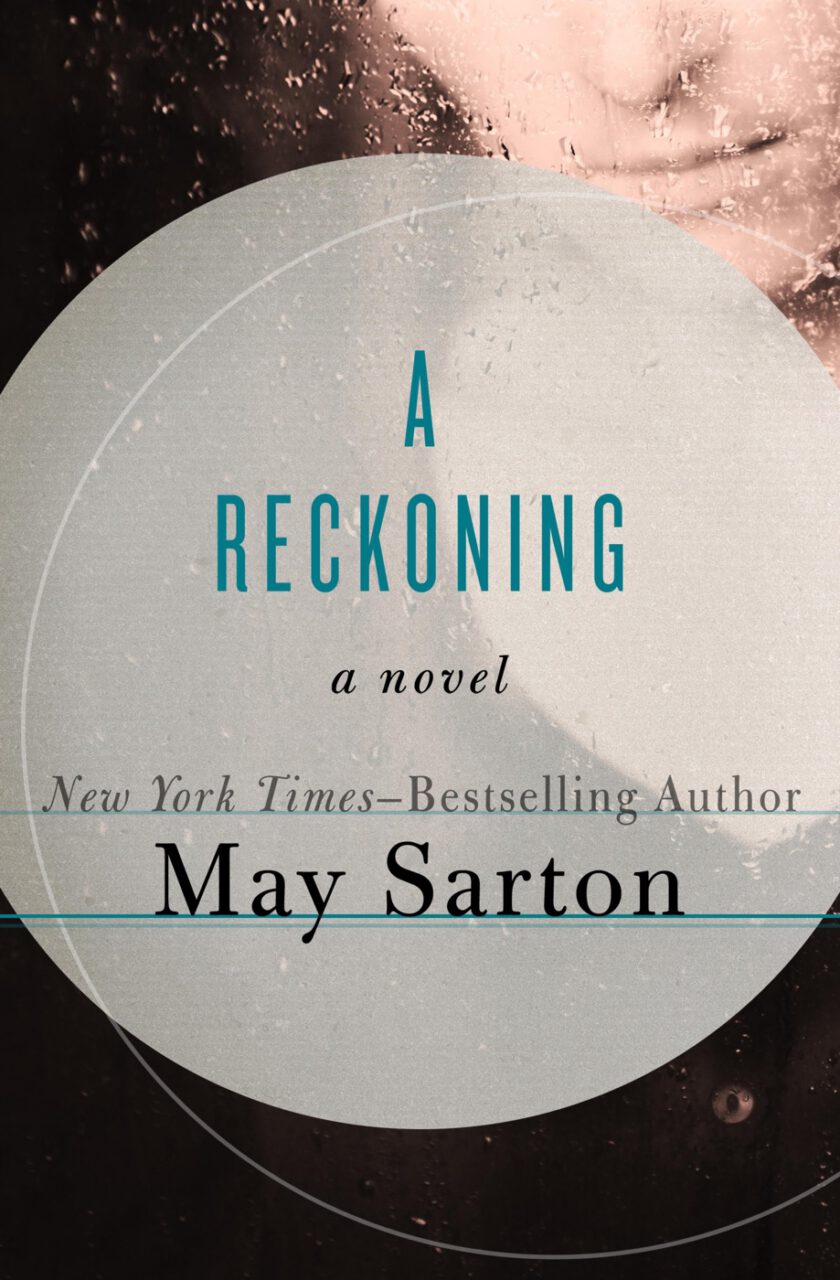
A Reckoning
Laura Spelman, sixty, is told she has terminal lung cancer and resolves to spend what remains working out what her life actually consisted of. What she finds is that the relationships that mattered were with women. Sarton wrote it at sixty-six, and it is still among the frankest novels about dying on your own terms.

Almost Family
Dying of stage-four cancer and estranged from her grown daughter, Liz Millanova joins a hospital support group and forms a fierce chosen family with two fellow patients. A tender novel about mortality, reconciliation, and savoring what is left.
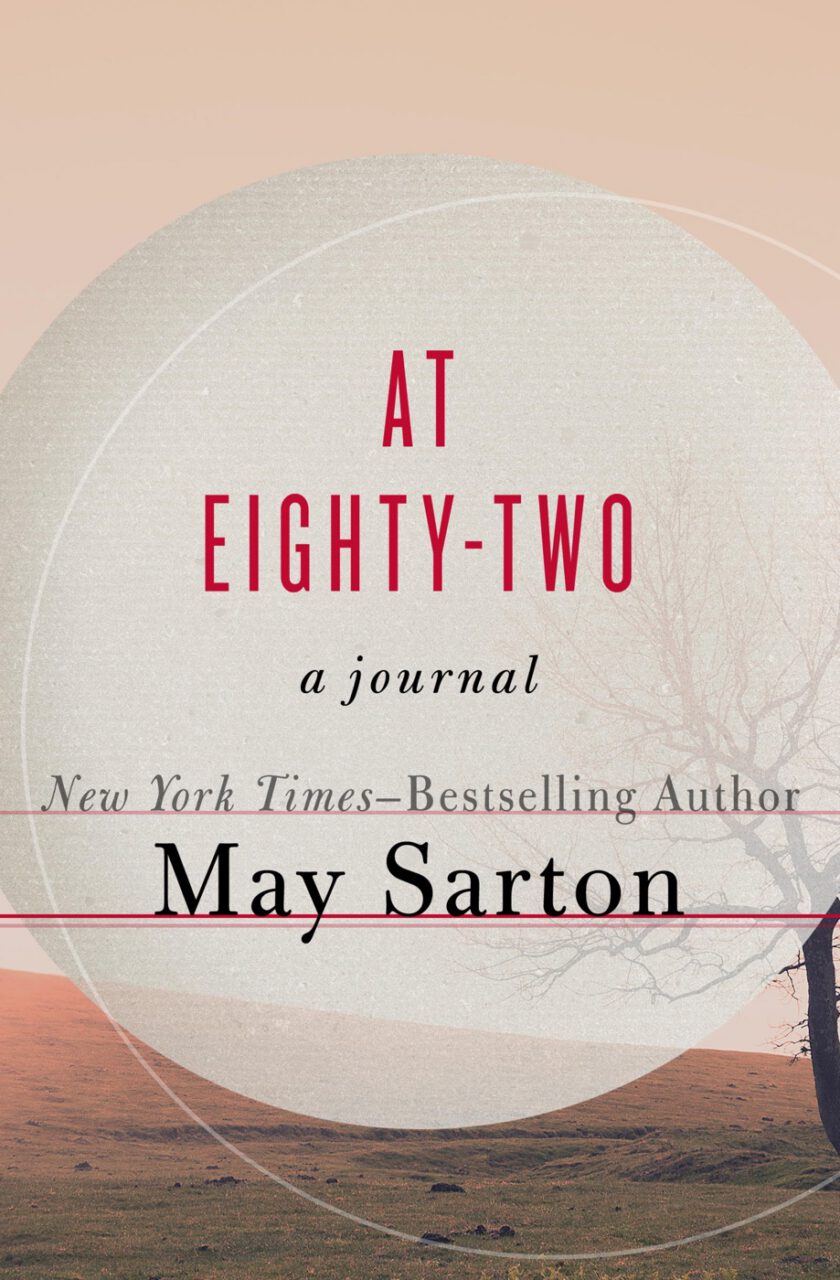
At Eighty-Two: A Journal
Sarton’s last journal, published after her death. She is dying and knows it, and the writing narrows to essentials: pain, love, the sea, and the people who come and go. The closing volume of the longest sustained record we have of a woman growing very old in public.
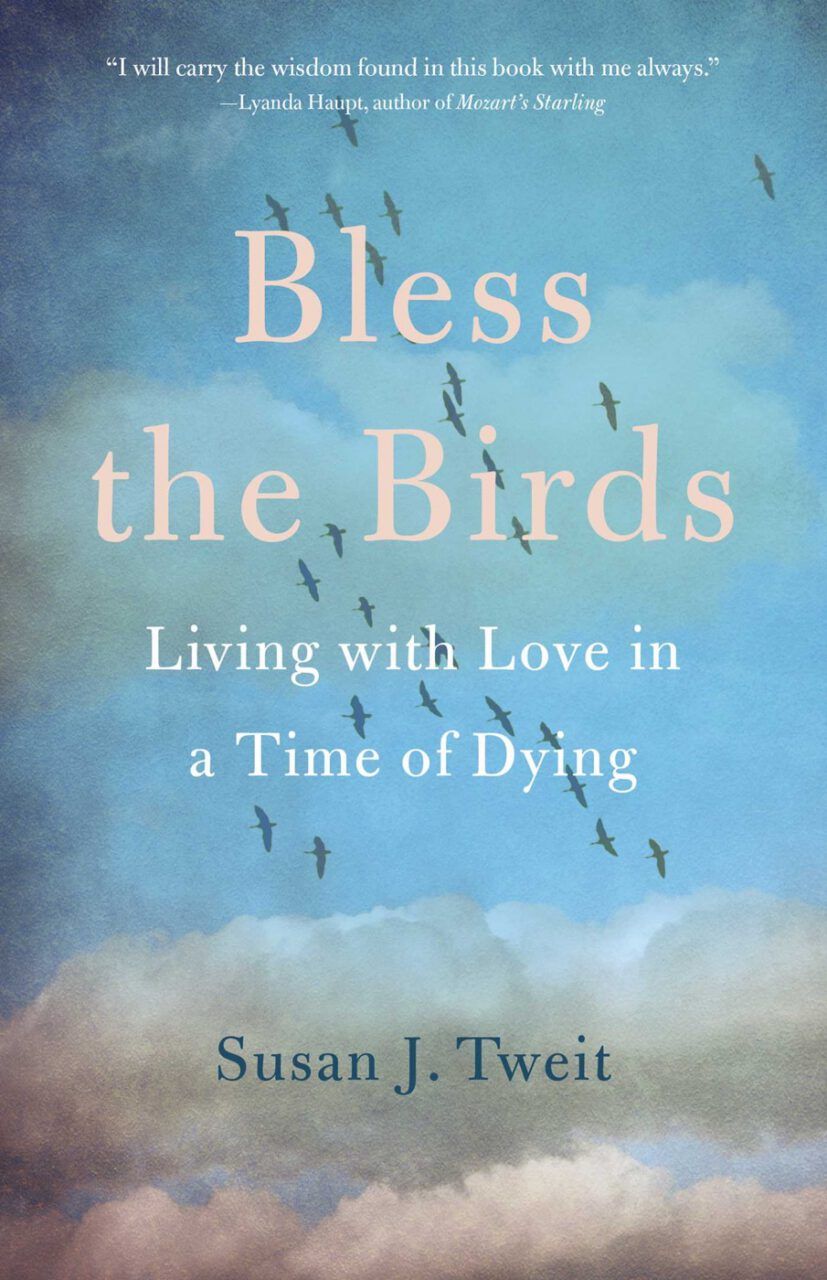
Bless the Birds
Tweit and her husband got his terminal brain-cancer diagnosis and decided to spend the time left travelling and looking at birds. A caregiving memoir that is honest about the tedium and indignity as well as the love. Winner of the Sarton Women Book Award.

Blue Nights
Joan Didion’s follow-up to The Year of Magical Thinking turns to the death of her daughter Quintana and to Didion’s own aging body — the blue nights of the title, when daylight lingers longest but dark is coming. A meditation on parenthood, time, and the losses that accumulate as we grow older.

Can’t We Talk About Something More Pleasant?
New Yorker cartoonist Roz Chast turns her signature anxious wit on the hardest subject: her elderly parents’ final years. This graphic memoir is funny, wrenching, and utterly honest about the mess of aging parents, overwhelmed adult children, and the things families can’t quite say out loud. Winner of the National Book Critics Circle Award.
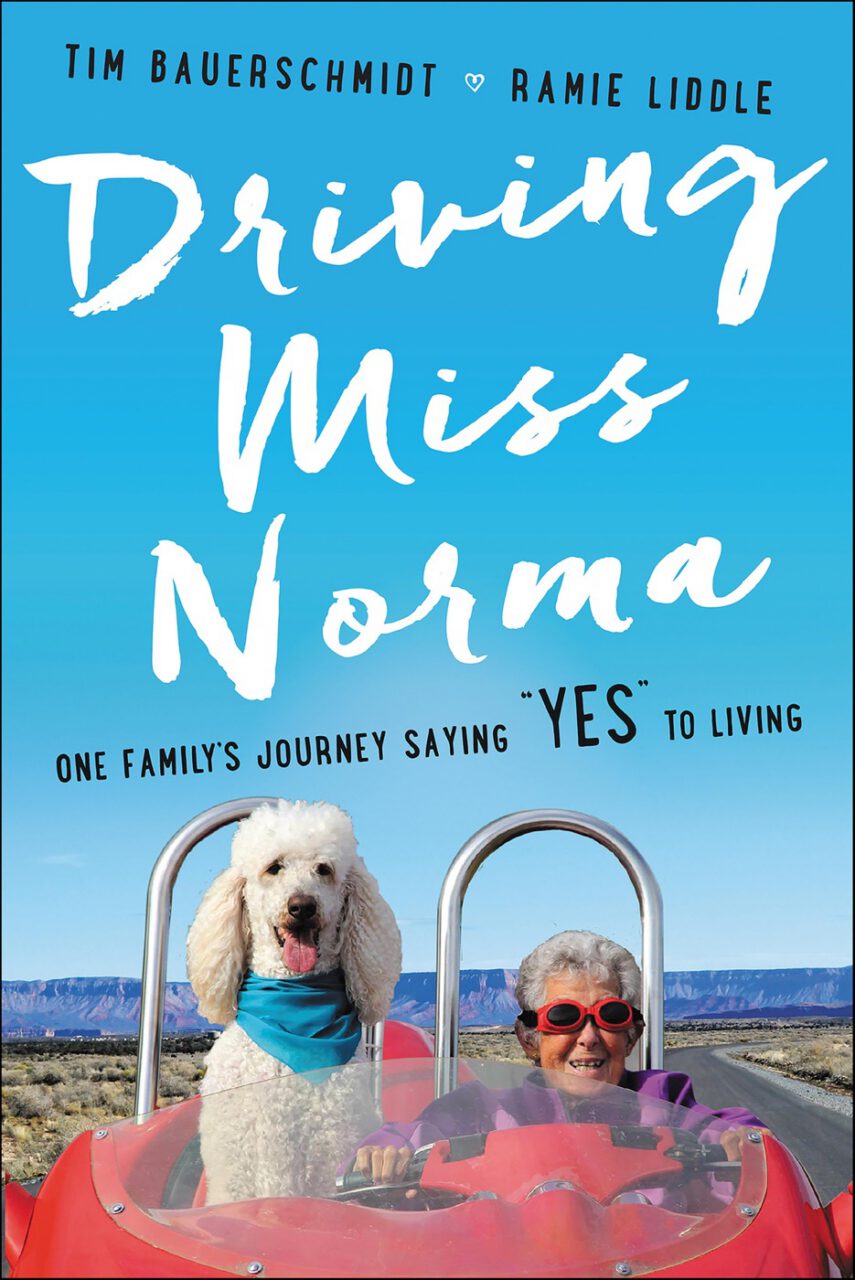
Driving Miss Norma
Ninety years old and newly diagnosed with uterine cancer, Norma Bauerschmidt declined treatment and got in the motorhome with her son and daughter-in-law instead. A book about an old woman making her own call about her own ending.
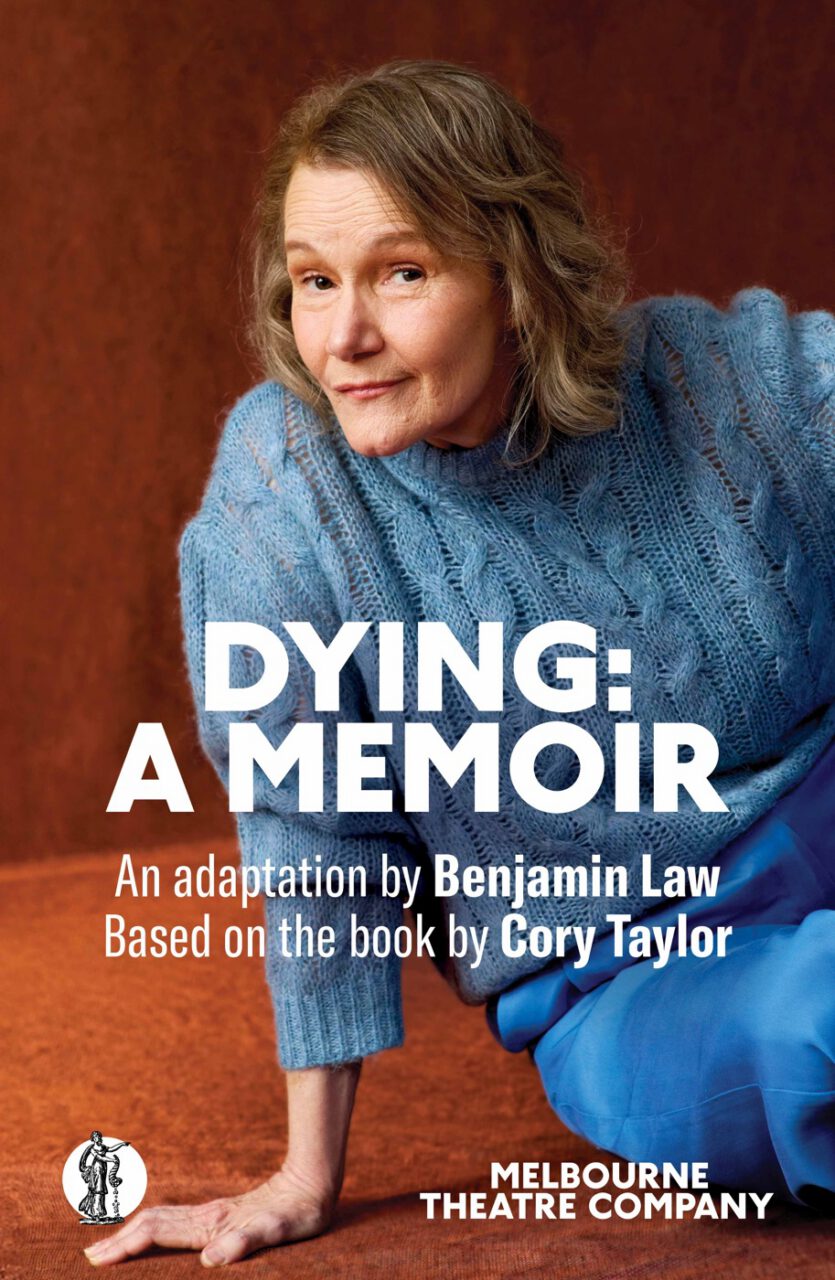
Dying: A Memoir
Written at sixty with terminal brain cancer, in a matter of weeks. Taylor is unillusioned about dying, angry about having no legal means to choose her moment, and very clear-eyed about her parents deaths as rehearsal for her own.
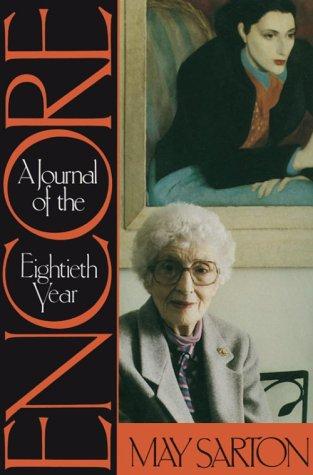
Encore: A Journal of the Eightieth Year
Eighty, and still keeping the account: birds, letters, visitors, the garden, and a clear-eyed reckoning with how much time is left. The title is not ironic. Sarton found this year had a great deal more in it than she had expected.
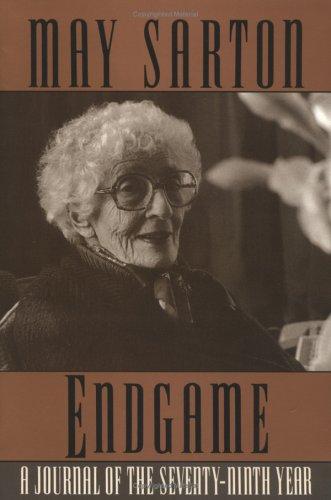
Endgame: A Journal of the Seventy-Ninth Year
The seventy-ninth year, kept partly by dictation as writing by hand became difficult. Sarton is frank about pain, dependence and diminishment, and equally frank about the pleasures that outlast them.

Enough
A novel from Dawn French about Etta, a healthy, happy 68-year-old who gathers her family for a weekend and announces that today is her last day alive. Over the following twenty-four hours the family shares a surprising, darkly funny, and unexpectedly life-affirming day together — a celebration of a life fully lived.

How to Be a Successful Ninety-Year-Old
Professional trustee and executor Marguerite Lorenz reframes “success” for the second half of life: not how long you live, but how well you live when you can no longer do everything on your own. Drawing on real client experiences, she blends story chapters, reflective exercises, and practical guidance on quality of life, estate planning, care preferences, and honoring your wishes. A clear-eyed, dignified manual for preparing to live well at ninety and beyond.
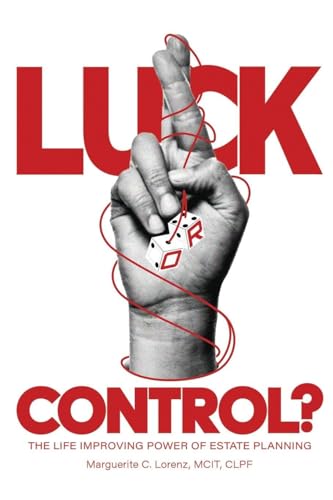
Luck or Control
Drawing on more than twenty years as a professional trustee and executor, Marguerite Lorenz recasts estate planning as an act of love rather than paperwork — the difference between leaving your future to luck and keeping control of it. With warmth and candor she walks readers through wills, trusts, powers of attorney, advance directives, care preferences, and legacy, showing why planning ahead is one of the greatest gifts you can give the people you love.

Moon Tiger
On her deathbed, historian Claudia Hampton looks back across a long, adventurous life — a wartime love affair in the Egyptian desert, decades of independent thought, and the knowledge that history is always personal. Penelope Lively’s Booker Prize-winning novel is one of the great portrayals of a brilliant woman aging on her own terms.

Natural Causes: An Epidemic of Wellness, the Certainty of Dying, and Killing Ourselves to Live Longer
Drawing on her PhD in cellular immunology, Ehrenreich argues that much of modern preventive medicine, wellness culture, and the anti-aging industry sells false control over a body and a mortality we cannot ultimately command. She examines how the immune system can itself abet disease, and makes the case for accepting the limits of medicine and the certainty of death rather than killing ourselves to live longer.
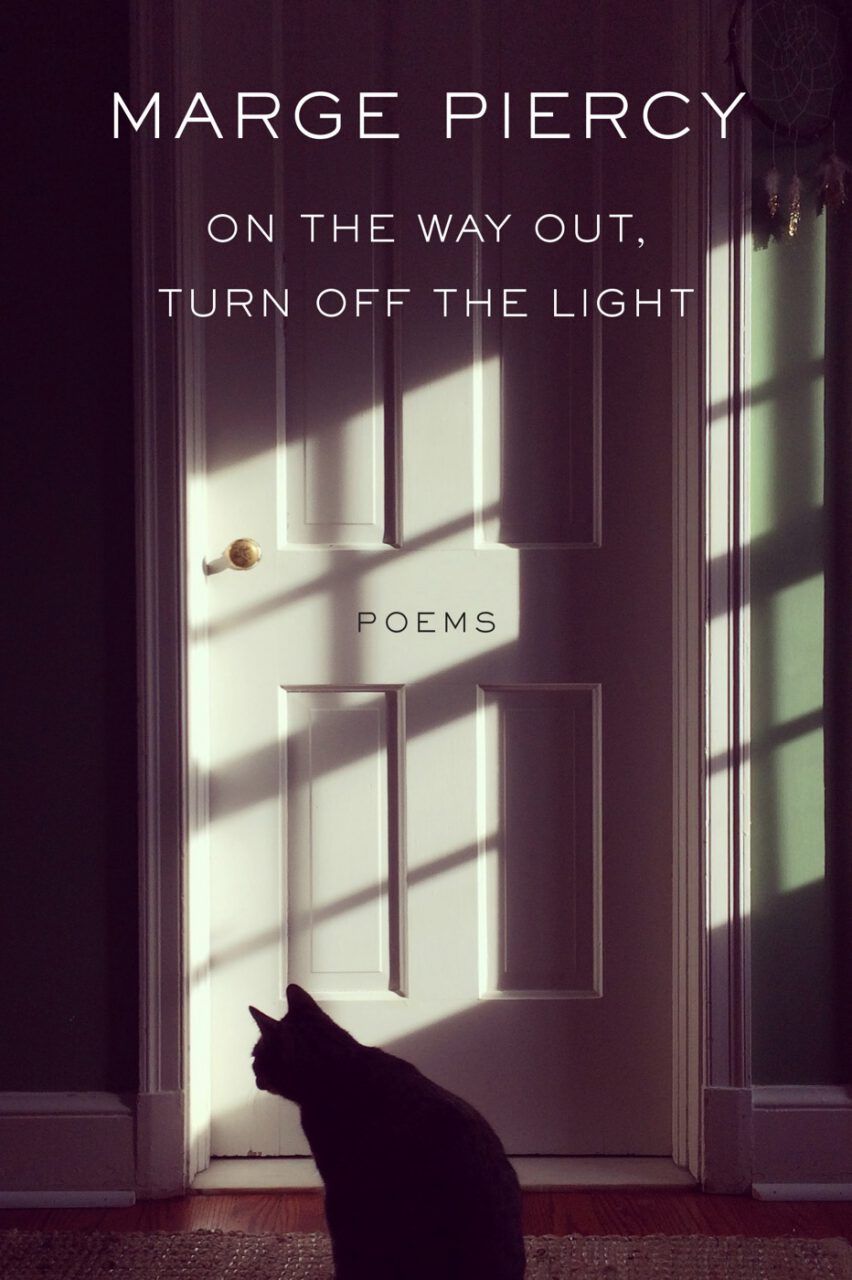
On the Way Out, Turn Off the Light
Piercy at eighty-four, writing poems about cats, cooking, marriage, the dead, and her own approaching end with no softening whatsoever. The late work of a poet who has been documenting women lives since the 1960s.

Reading Jane: A Daughter’s Memoir
When her charismatic, difficult mother Jane chooses to end her life at seventy-five, Susannah Kennedy inherits forty-five years of secret diaries. Over a year of reading them, she reckons with memory, grief, and the mother she thought she knew.

San Andreas: Short Fiction on Shaky Ground
In the fictional Northern California city of San Andreas de Pacifico, the ground is literally unstable — and so are the people in these twelve linked love stories. A long-married couple scales a cemetery wall to reignite their passion; an old man losing himself to dementia finds an abandoned baby; a struggling writer finds freedom trying to rescue a beached whale. Award-winning author Ericka Lutz (The Edge of Maybe) writes with an unflinching, lyrical voice about connection, vulnerability, and the fault lines beneath ordinary lives.
Why it’s here: This collection spans the whole arc of a life rather than focusing only on older women, but its older characters — the assisted-living residents, the man facing dementia, the women reaching late in life for passion and meaning — and its themes of mortality, reinvention, and connection speak directly to a second-half-of-life reader.
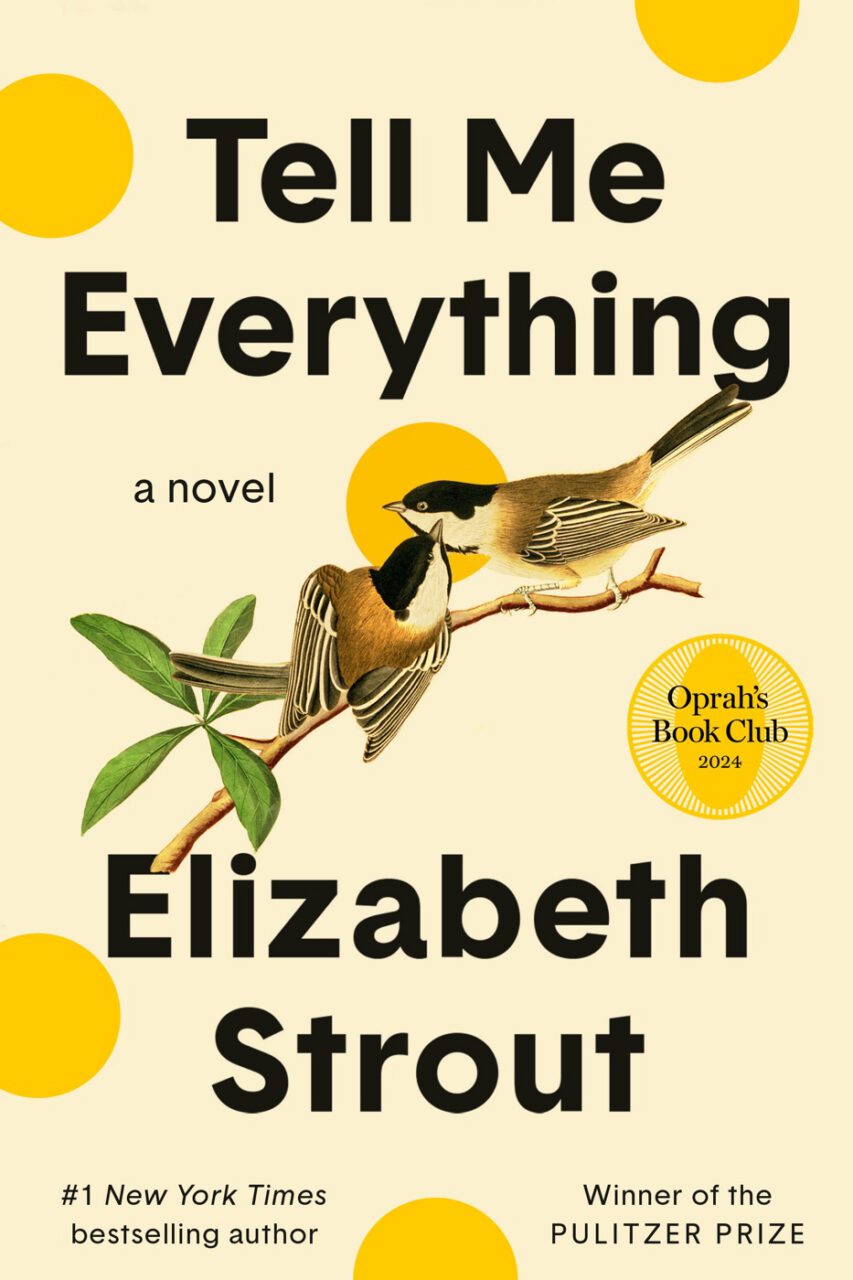
Tell Me Everything
Olive Kitteridge, now ninety, and Lucy Barton, in her sixties, spend a Maine winter telling each other the unrecorded lives of women they have known. A novel about whether an ordinary life adds up to anything, asked by two people close enough to the end to want an answer.
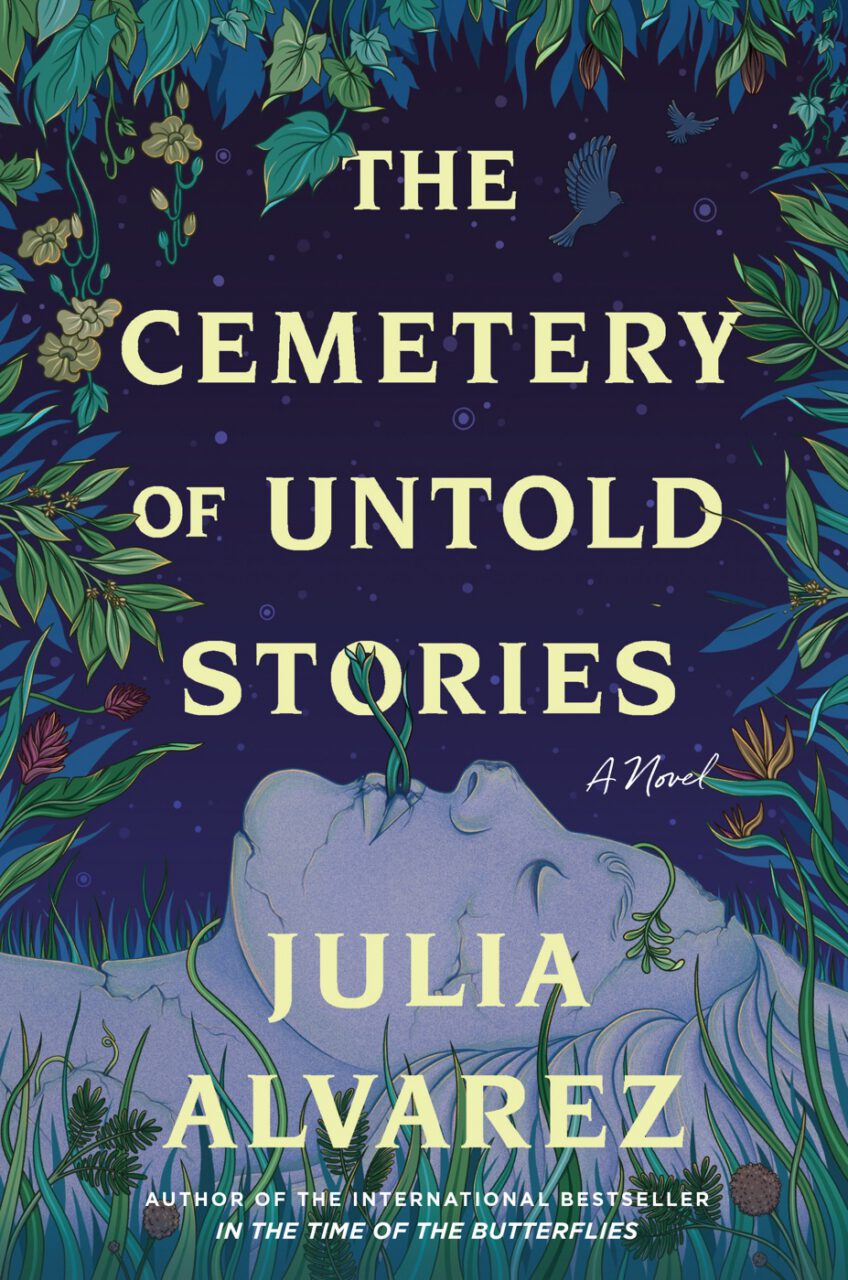
The Cemetery of Untold Stories
Alma Cruz, a novelist in her sixties, retires from teaching and writing and buries her unfinished manuscripts in a plot of land, whereupon the characters begin to talk. A book about what a completed career leaves undone, written by Alvarez at seventy-four.

The Dark Flood Rises
Margaret Drabble’s novel follows Fran Stubbs, 70-something, who inspects housing for the elderly across England with restless intelligence and dark humor, while her own world — friends, a failing ex-husband, the end of things — closes in around her. A novelist’s unsentimental reckoning with mortality.

The Hour of My Death: A Journal of the Year After I Died
After feminist poet Marge Piercy suffers a medical emergency in 2022 and is revived, she spends the following year taking stock. Written at ninety in the Japanese zuihitsu form, this luminous journal braids diary, recipes, garden notes, and poetry into a celebration of a life in its ‘resurrected’ old age.

The Year of Magical Thinking
Joan Didion’s masterpiece on grief after the sudden death of her husband of 40 years. A lucid, devastating, and ultimately illuminating account of what it means to lose a life partner and face the future alone. Essential for any woman navigating widowhood or profound loss.

What Are You Going Through
A woman accompanies her terminally ill friend through the final weeks of her life — and through the process confronts her own relationship to mortality, meaning, and what we owe each other at the end. Sigrid Nunez writes about dying with the same precise, unsentimental intelligence she brings to everything.