
Books
Recommended reads for women navigating midlife and beyond.

Still Alice
A brilliant Harvard psychology professor and linguistics expert is diagnosed with early-onset Alzheimer’s at 50, and we follow her world narrowing from inside her own mind. Written by neuroscientist Lisa Genova, the novel is both clinically grounded and deeply moving — a rare window into cognitive decline told from the person living it.
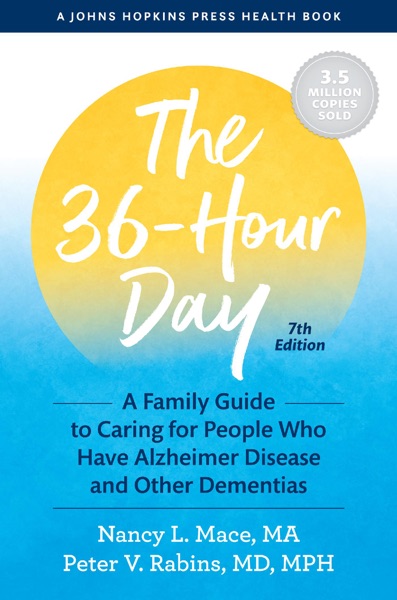
The 36-Hour Day: A Family Guide to Caring for People Who Have Alzheimer Disease
The definitive guide for families caring for a loved one with Alzheimer’s or other dementias. Practical, compassionate, and comprehensive — a must-have for the millions of women who are dementia caregivers, usually for a parent or spouse.
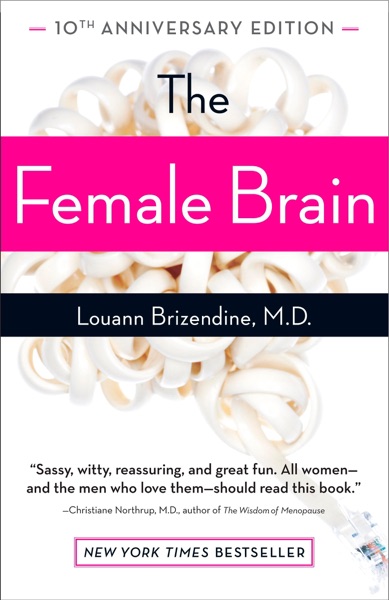
The Female Brain
Neuropsychiatrist Louann Brizendine’s accessible guide to the female brain across the lifespan — including the profound neurological changes that occur in perimenopause and menopause, and how they shape emotion, memory, and behavior.

The Menopause Brain
Neuroscientist Lisa Mosconi reveals how menopause reshapes the brain and what women can do to protect their cognitive health. Groundbreaking and empowering.

The Upgrade: How the Female Brain Gets Stronger and Better in Midlife and Beyond
Neuropsychiatrist Louann Brizendine reframes menopause as a neurological upgrade — arguing that the female brain actually improves in focus, decision-making, and emotional regulation after the transition. A profoundly optimistic perspective grounded in neuroscience.

The Women’s Brain Book
Neuroscientist Dr. Sarah McKay traces the female brain across the whole span of a woman’s life — from girlhood and the menstrual cycle through pregnancy, menopause, and old age — showing how hormones, experience, and biology shape the mind at every stage. For readers over 50, the later chapters on menopause and healthy brain aging are especially resonant, set in the fuller context of a lifetime.

The XX Brain
Dr. Lisa Mosconi makes the case that women’s brains age differently — and that women account for roughly two-thirds of Alzheimer’s cases, in large part because of the hormonal shifts of menopause. Grounded in neuroscience, this is a practical roadmap for protecting your memory and cognitive health, with a special focus on the role of estrogen.