Books
Recommended reads for women navigating midlife and beyond.
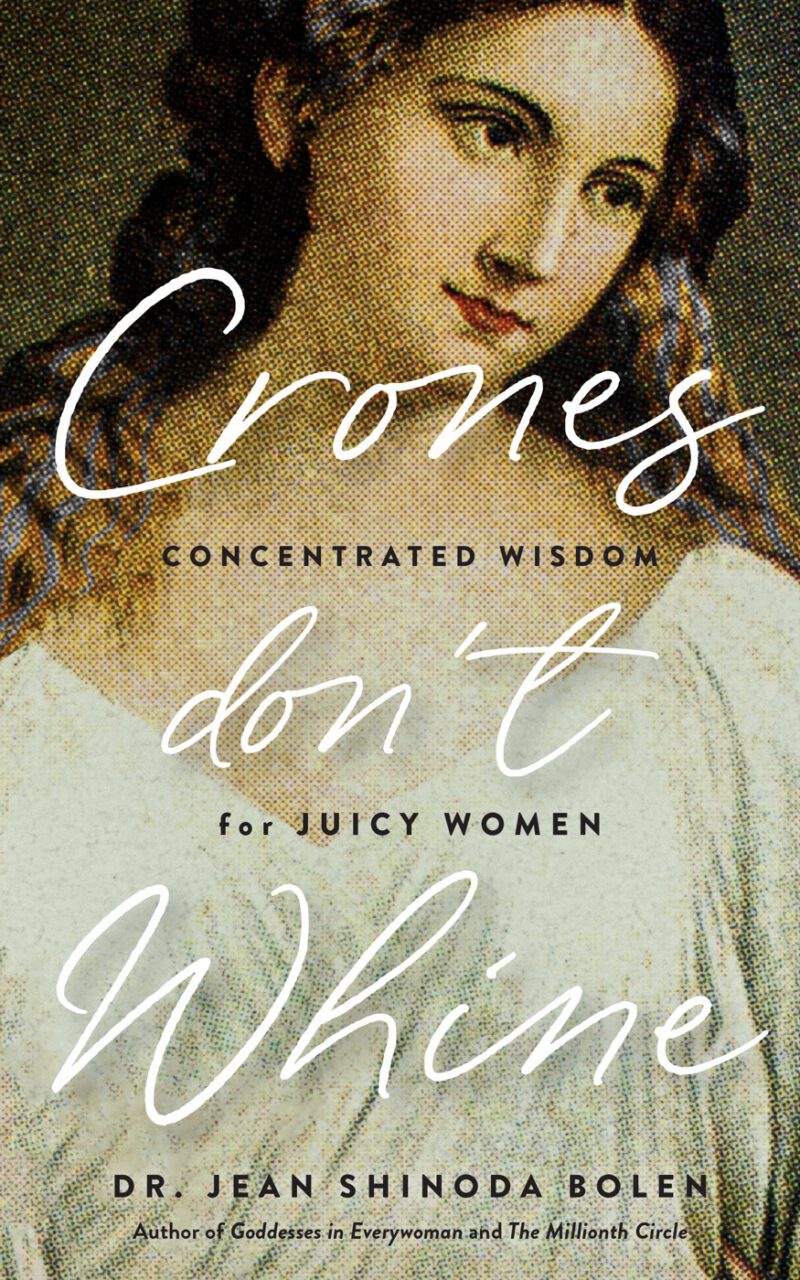
Crones Don’t Whine
Thirteen qualities Bolen argues are worth cultivating in the crone years, from a Jungian analyst who spent a career arguing that older women have archetypal authority rather than a diminished share of the young ones. A companion to her Goddesses in Older Women.
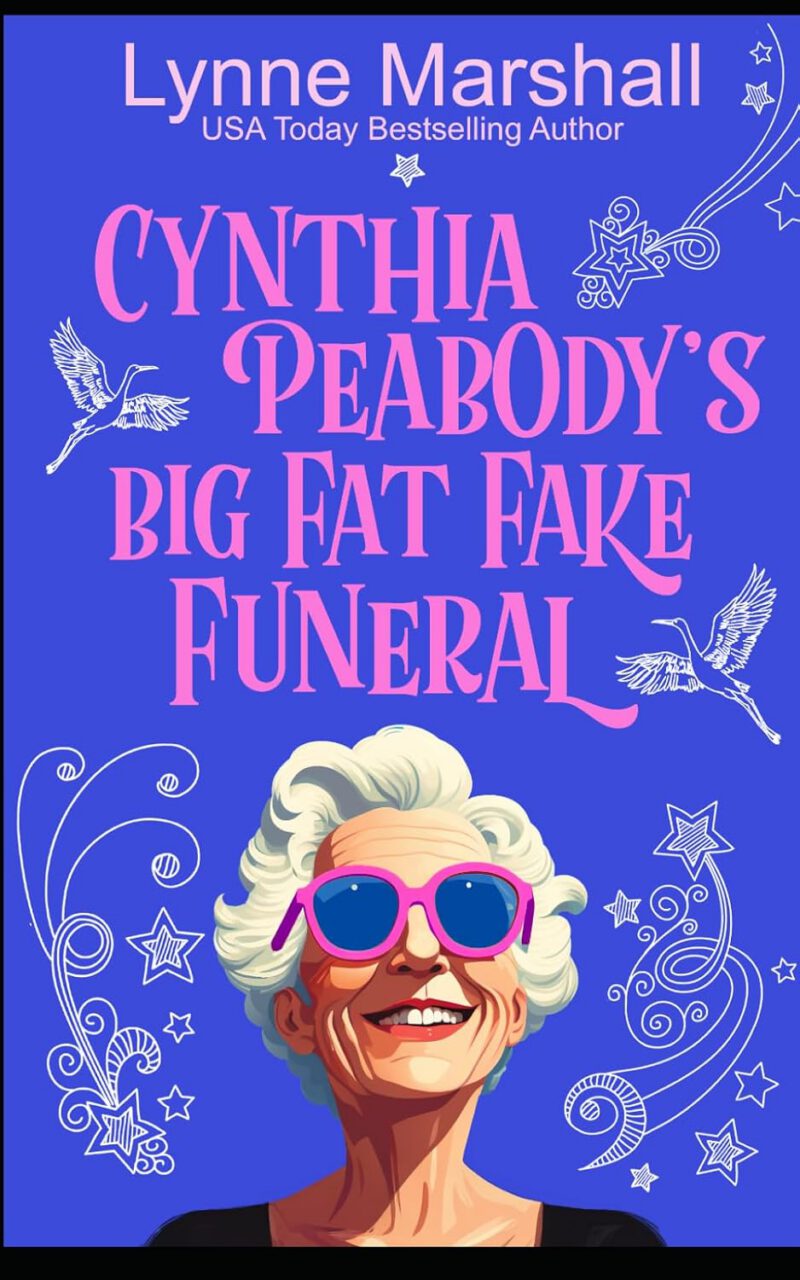
Cynthia Peabody’s Big Fat Fake Funeral: Absentminded Witness
Everything is tickety-boo at The Green Meadows retirement village until Cynthia’s dear friend accidentally witnesses a murder and, in shock, cannot remember a thing. With a security guard and a young detective in tow, Cynthia sets about reconstructing what he saw before the killer reaches the next name on the list. Book two, pitched squarely at the Thursday Murder Club reader: senior sleuths, real friendship, and a body that has gone missing.

Dancing Fish and Ammonites
Penelope Lively, in her late 70s, reflects on memory, reading, objects, and the experience of having lived a long life. Part memoir, part meditation on what persists when so much has changed, this is a writer’s accounting of what age has clarified and what it has taken away.

Did You Have the Life You Wanted?
From 1968 Greenwich Village through five decades of American upheaval, Anita Rappaport comes of age and grows old, sustained by the restorative power of female friendship. As she ages into her seventies, she confronts the title’s question head-on.
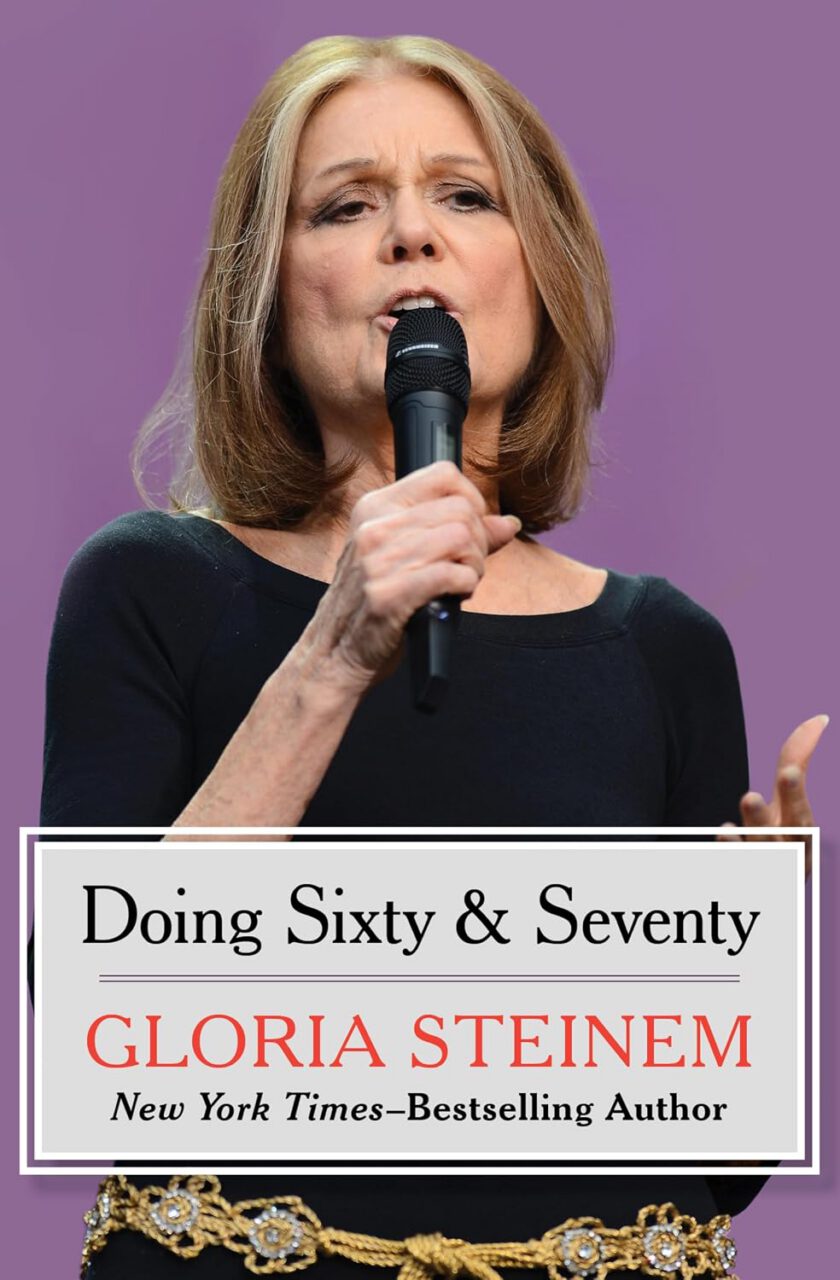
Doing Sixty & Seventy
One day I woke up and there was a seventy-year-old woman in my bed. Two long essays on women and ageing from a writer who spent her sixties and seventies refusing the script. Steinem is direct about what changes, what does not, and why she found these decades freer than the ones before — the most squarely on-topic book she wrote.

Drive Your Plow Over the Bones of the Dead
Janina is a reclusive older woman living alone in the Polish mountains — a vegetarian, astrologer, and fierce lover of animals who begins to suspect that her missing neighbors are being killed by hunters. Nobel laureate Olga Tokarczuk’s darkly comic novel is a murder mystery in which the detective is an aging woman the world has already dismissed.
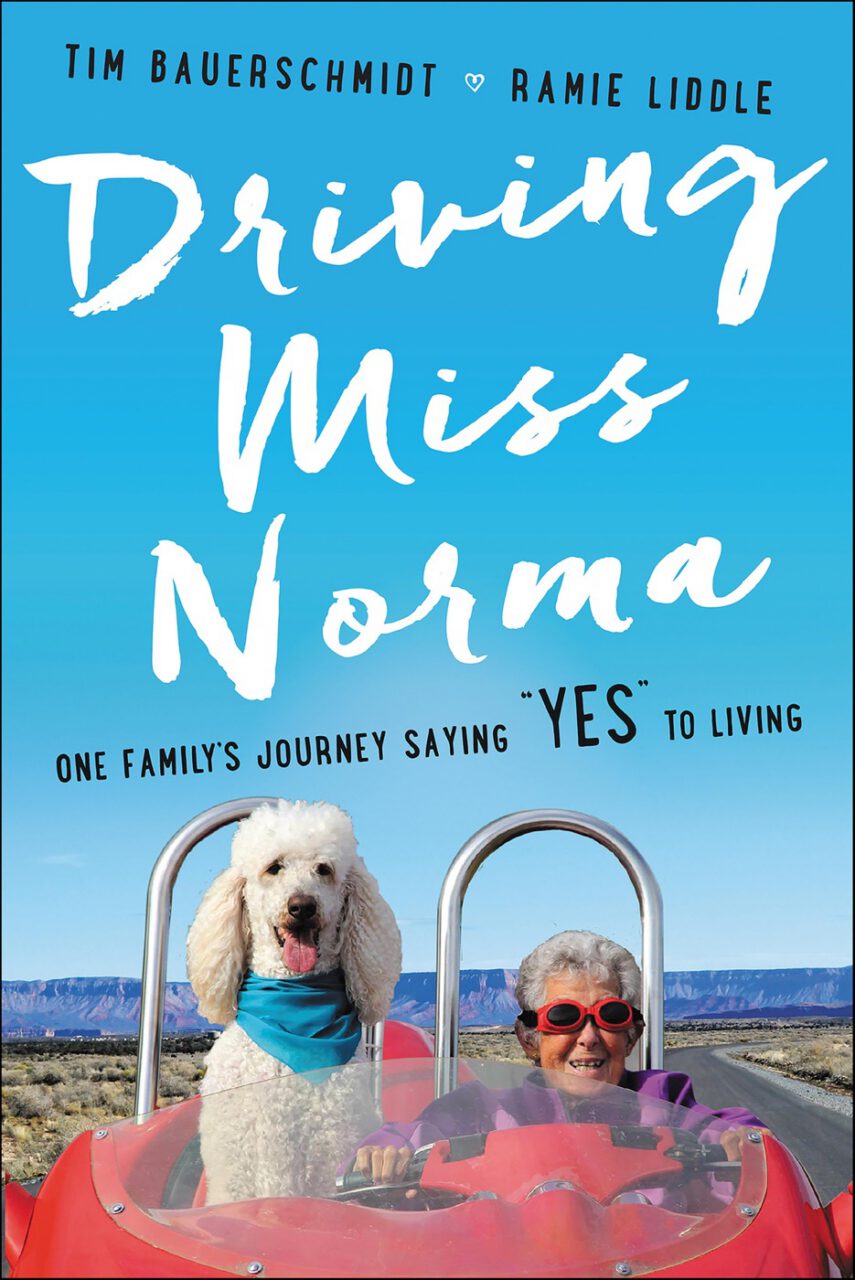
Driving Miss Norma
Ninety years old and newly diagnosed with uterine cancer, Norma Bauerschmidt declined treatment and got in the motorhome with her son and daughter-in-law instead. A book about an old woman making her own call about her own ending.

Elderhood
Geriatrician Louise Aronson spent 25 years caring for older patients before writing this Pulitzer finalist — part memoir, part manifesto — arguing that America’s medical system is failing its elders and that old age deserves to be treated as a distinct, valuable stage of human life, not a problem to be managed.
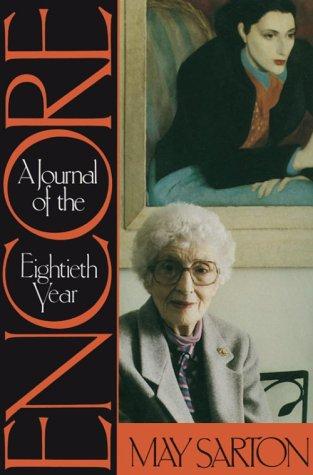
Encore: A Journal of the Eightieth Year
Eighty, and still keeping the account: birds, letters, visitors, the garden, and a clear-eyed reckoning with how much time is left. The title is not ironic. Sarton found this year had a great deal more in it than she had expected.
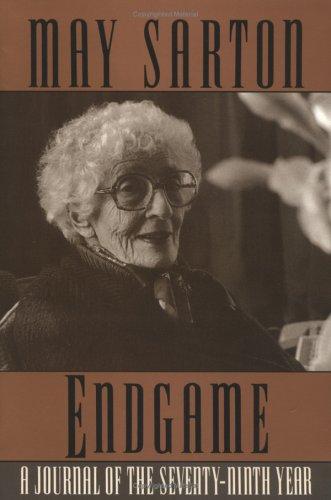
Endgame: A Journal of the Seventy-Ninth Year
The seventy-ninth year, kept partly by dictation as writing by hand became difficult. Sarton is frank about pain, dependence and diminishment, and equally frank about the pleasures that outlast them.

Enough
A novel from Dawn French about Etta, a healthy, happy 68-year-old who gathers her family for a weekend and announces that today is her last day alive. Over the following twenty-four hours the family shares a surprising, darkly funny, and unexpectedly life-affirming day together — a celebration of a life fully lived.
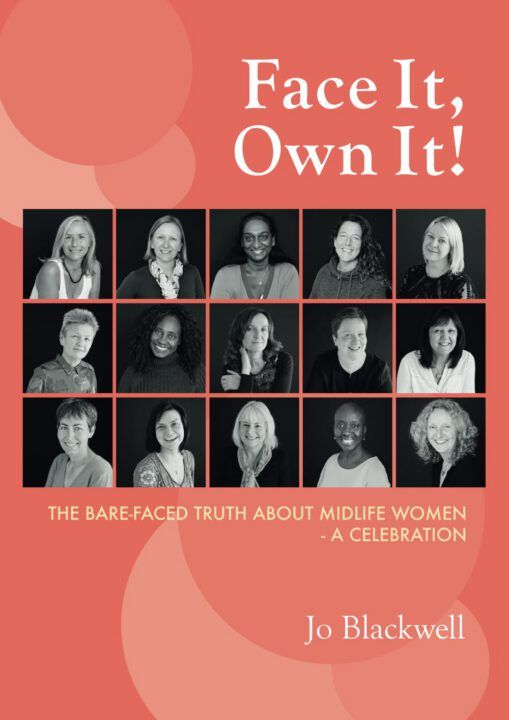
Face it, Own it!: The Bare-faced Truth about Midlife Women
When you look in the mirror, what do you see? Photographer Jo Blackwell put that question to hundreds of women and photographed 166 of them exactly as they are — no make-up, no styling, no filters — each portrait paired with the woman’s own words about growing older, being seen, and letting go of unrealistic expectations. Featured by the BBC, it is not a glossy “embrace ageing” book; it is a quiet, truthful record of older faces, and an argument that every one of them is worth looking at.
Why it’s here: The portraits begin at forty, not fifty — but the project’s whole subject is the visibility and self-acceptance the second half of life demands, and its honest older faces are the point.

Fellowship Point
Two women in their 70s have been best friends since childhood, summering on a wild Maine peninsula they have vowed to protect from development. Alice Elliott Dark’s sweeping novel is about female friendship, legacy, secrets, and the question of what we owe the places and people we love most.

Fifty Over Fifty: Wise and Wild Women Creating Wonderful Lives (And You Can Too!)
Drawn from the lives of fifty women who built rewarding lives on their own terms, Dr. Susan R. Meyer’s guide distills seven key factors for creating the life you deserve — at any age. Her subjects span Fortune 100 executives, entrepreneurs, a home health aide, and a retired saleswoman, and among them have weathered job loss, divorce, illness, and widowhood. Part inspiration, part practical roadmap for reinvention in the second half of life.

Fine, I’m a Terrible Person
Broke, eccentric, seventy-three-year-old Aurora drives to LA chasing a possible inheritance; her estranged, perfectionist forty-three-year-old daughter heads there to spy on her husband. Their quests collide over one chaotic, unexpectedly healing weekend. A sharp comic novel.

Game of Crones
Stripped of her magick, Claire alone knows the dark god Morok has infiltrated the Crones—and must recover her power in time to stop him. Book 3 of The Crone Wars urban fantasy series.

Goddesses in Older Women
In this follow-up to her classic Goddesses in Everywoman, Jungian analyst Jean Shinoda Bolen turns to the years after fifty, naming four “crone” archetypes — Metis, Sophia, Hecate, and Hestia — that embody different faces of wisdom, intuition, and spiritual depth. She reframes growing older as a rich third act rather than a decline, and closes by encouraging older women to gather in circles and become a force for change. A thoughtful companion for any woman looking for meaning and power in her later decades.

Goodbye to the Blues
The closing book in Lynne Spreen’s Karen Grace series. As Karen travels between friends scattered from Palm Springs to Denver, four love stories unfold around her — a young couple cracking under success, a senior couple who must finally step into the open, a caretaker facing a hard choice, and a workaholic deciding what matters most. Then she heads home to North Dakota, where her own marriage takes a turn she never saw coming.
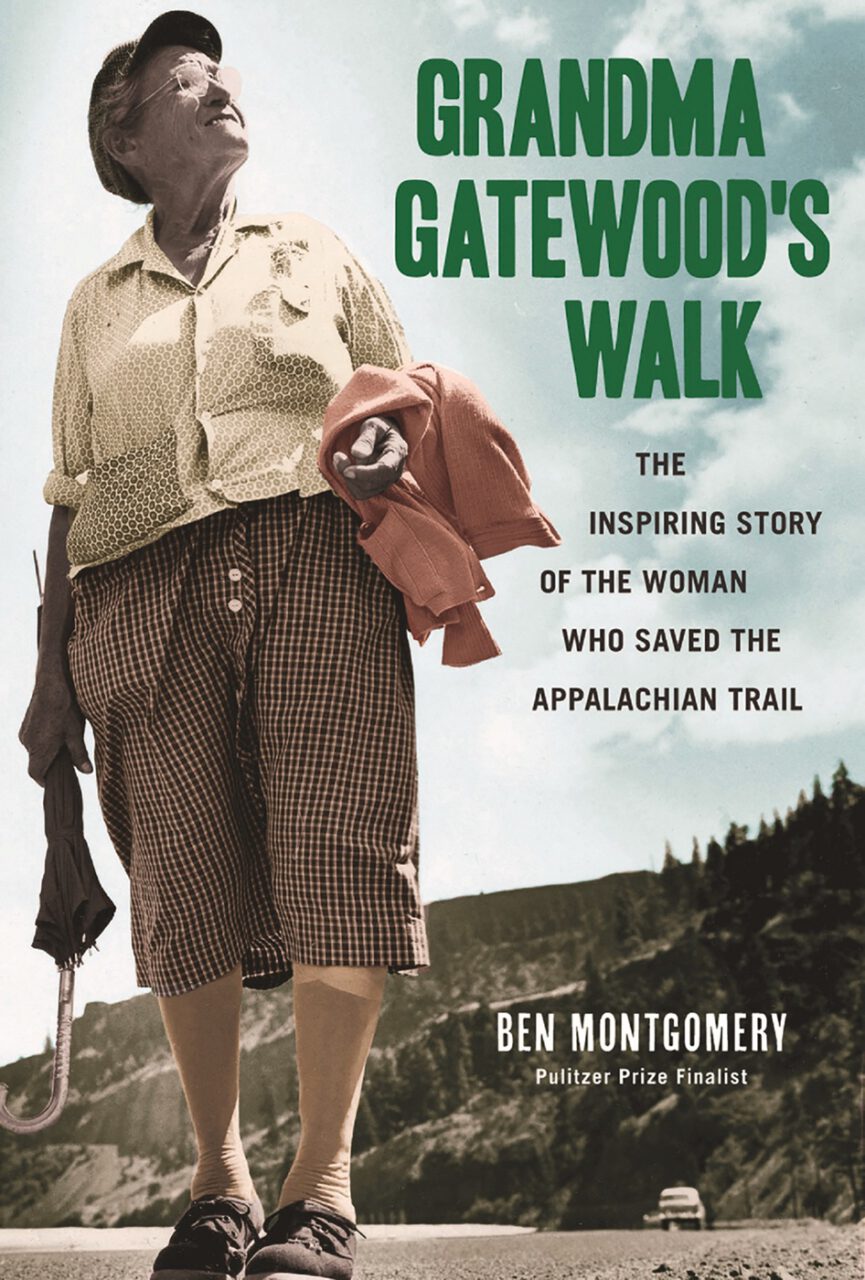
Grandma Gatewood’s Walk
In 1955 Emma Gatewood told her children she was going for a walk and became the first woman to thru-hike the Appalachian Trail alone, at sixty-seven, in Keds. Montgomery reconstructs both the walk and the marriage she was walking away from.

Harvesting History
Muriel A. Murch recounts leaving Los Angeles with her film-editor husband for a farm in West Marin, where family life intertwines with organic farming and the Bay Area’s independent film world. A poetic tribute to land, work, and community.

How to Be a Successful Ninety-Year-Old
Professional trustee and executor Marguerite Lorenz reframes “success” for the second half of life: not how long you live, but how well you live when you can no longer do everything on your own. Drawing on real client experiences, she blends story chapters, reflective exercises, and practical guidance on quality of life, estate planning, care preferences, and honoring your wishes. A clear-eyed, dignified manual for preparing to live well at ninety and beyond.

I Feel Bad About My Neck: And Other Thoughts on Being a Woman
Nora Ephron’s wickedly funny essays about the indignities and joys of getting older as a woman. From bad hair days to the terrors of the medicine cabinet, she makes aging not just bearable but hilarious.

I Remember Nothing
Nora Ephron’s final essay collection looks squarely at aging and memory with her characteristic wry precision. She writes about what she can no longer remember, what she wishes she’d said, and the strange experience of watching her own life become something that already happened. Funny, melancholy, and completely honest.

I’m New at Being Old
An illustrated reflection for grown women on what it feels like to be “new at being old,” pairing wit and whimsy with sociologist-artist Lucy Rose Fischer’s vibrant original paintings. Moving from anxiety about the body’s “movable parts” to a celebration of vitality, creativity, and the richness of years, she finds herself joining a sisterhood of older women.