
Books
Recommended reads for women navigating midlife and beyond.

50 After 50: Reframing the Next Chapter of Your Life
At fifty, Maria Leonard Olsen had drunk her way out of a twenty-five-year marriage, put every egg in the motherhood basket, and willfully derailed a successful law career. Adrift, she gave herself a birthday assignment: fifty things she had never done before.
The first half of the book is why she needed the list. The second half works through it — adventure, travel, spirituality, physical challenge — with self-reflection questions after each. Olsen is a Washington DC lawyer, journalist and recovery advocate, and she is unsparing about the wreckage that came first.

Anti-Diet: Reclaim Your Time, Money, Well-Being, and Happiness Through Intuitive Eating
Registered dietitian and journalist Christy Harrison dismantles diet culture — the harmful system that profits from women’s food anxiety — and presents intuitive eating as a radical, evidence-based alternative. Especially relevant during menopause when diet-culture pressure often intensifies.
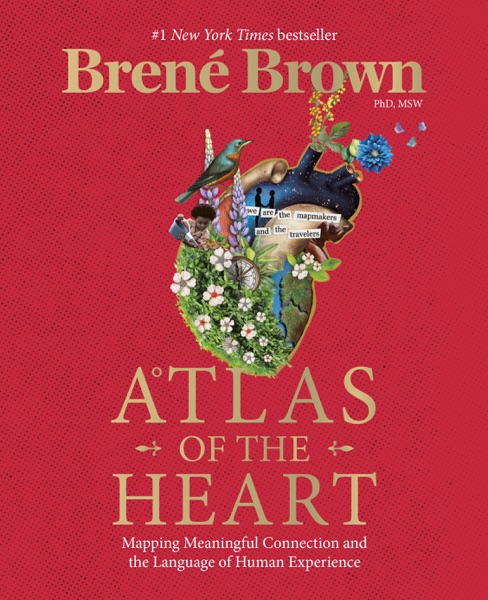
Atlas of the Heart: Mapping Meaningful Connection and the Language of Human Experience
Brené Brown maps 87 emotions and experiences — naming them precisely and explaining how language shapes connection, belonging, and wellbeing. An invaluable tool for women in midlife working to understand and articulate their complex emotional lives.

Breaking the Age Code
Yale psychologist Becca Levy has spent decades studying how our beliefs about aging shape the way we age. Her research is remarkable: people with more positive views of their own aging live, on average, 7.5 years longer. Breaking the Age Code is both the science and the practical guide to changing how you think about getting older.
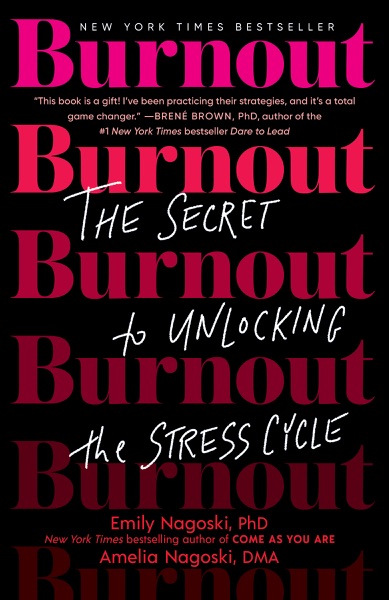
Burnout: The Secret to Unlocking the Stress Cycle
Sisters Emily and Amelia Nagoski explain why women experience burnout differently than men, and offer science-backed strategies for completing the stress cycle and recovering your wellbeing. Essential for women who have spent decades caregiving, working, and putting themselves last.

Estrogen Matters
A powerful corrective to decades of fear around hormone therapy. Presents the science showing estrogen is safe and beneficial for most women. Essential before any HRT decision.

Giving Up the Ghost: A Daughter’s Memoir
Bestselling ghostwriter Samantha Rose steps out of the shadows to unravel the mystery of her mother’s suicide. As her mother seems to return ‘from beyond’ to explain her choice, this raw, darkly funny memoir explores mental health, mother-daughter love, and writing forward after loss.
Why it’s here: At its center is an older mother’s life and death, and a daughter’s reckoning with the woman she thought she knew. (Sensitive: suicide.)

Gut
A delightful, illustrated guide to the digestive system — including the gut microbiome’s role in immunity, mental health, and hormonal balance. Menopause dramatically shifts gut bacteria, making this essential background reading.
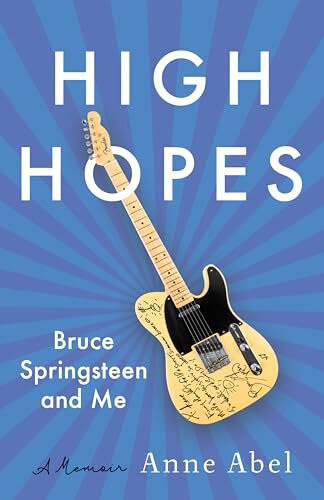
High Hopes
At fifty-nine, after a lifetime of depression, Anne is unexpectedly lifted by a Springsteen concert. At sixty she quits teaching and books a solo twenty-six-day trip following his Australian tour — a late-life adventure that changes her.
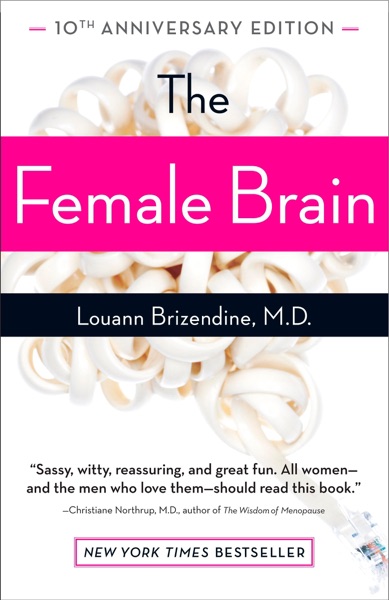
The Female Brain
Neuropsychiatrist Louann Brizendine’s accessible guide to the female brain across the lifespan — including the profound neurological changes that occur in perimenopause and menopause, and how they shape emotion, memory, and behavior.
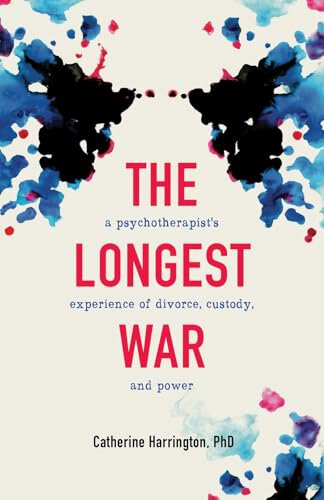
The Longest War
A psychotherapist’s memoir of a long, bruising divorce and custody battle with a wealthy ex — a high-stakes fight that surfaces old wounds and, ultimately, a path to healing.
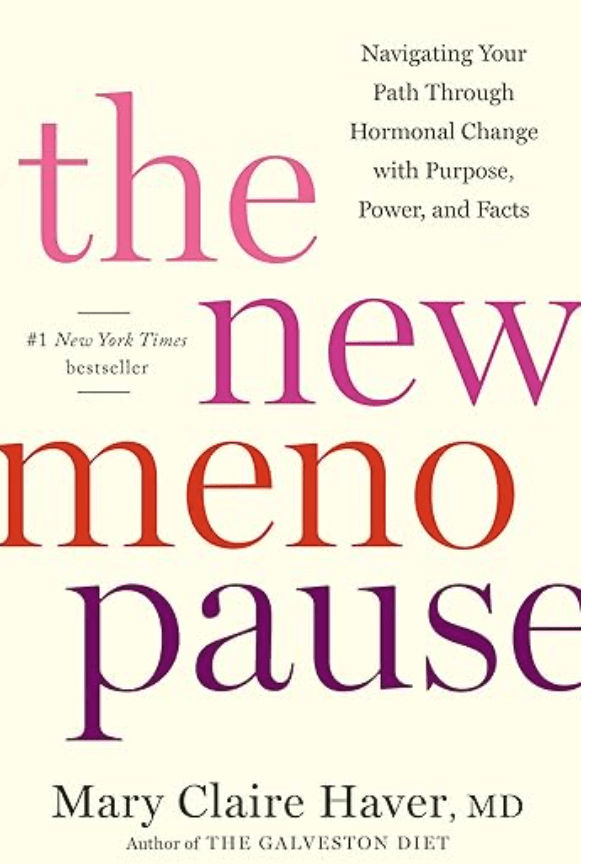
The New Menopause
Dr. Mary Claire Haver delivers a comprehensive, evidence-based guide to perimenopause and menopause — hormones, nutrition, sleep, strength training, and mental health.

The Upgrade: How the Female Brain Gets Stronger and Better in Midlife and Beyond
Neuropsychiatrist Louann Brizendine reframes menopause as a neurological upgrade — arguing that the female brain actually improves in focus, decision-making, and emotional regulation after the transition. A profoundly optimistic perspective grounded in neuroscience.