
Books
Recommended reads for women navigating midlife and beyond.
In Our Prime: How Older Women Are Reinventing the Road Ahead
Media scholar Susan J. Douglas examines how women who came of age in the 1960s and ‘70s are now rewriting the script for older womanhood — rejecting the invisibility and passivity assigned to them by culture while honestly confronting the realities of aging. A sociological portrait of a generation refusing to go quietly.
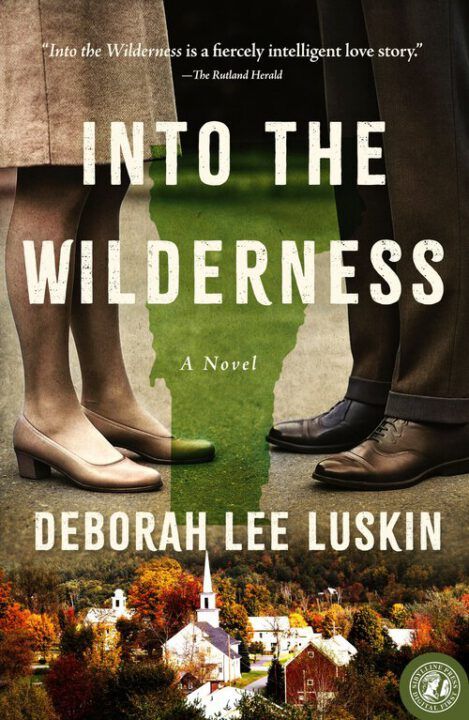
Into the Wilderness
In 1964 Vermont, recently widowed city Democrat Rose Mayer and taciturn Republican farmer Percy Mendell clash the moment they meet — and, across the turning seasons, fall into an unexpected love. An award-winning novel about second chances at sixty-four.
Intuitive Eating: A Revolutionary Anti-Diet Approach
The original, evidence-based guide to making peace with food. The 10 principles of intuitive eating help women stop the binge-restrict cycle and reconnect with their body’s natural hunger and fullness signals — a vital skill during hormonal transition.
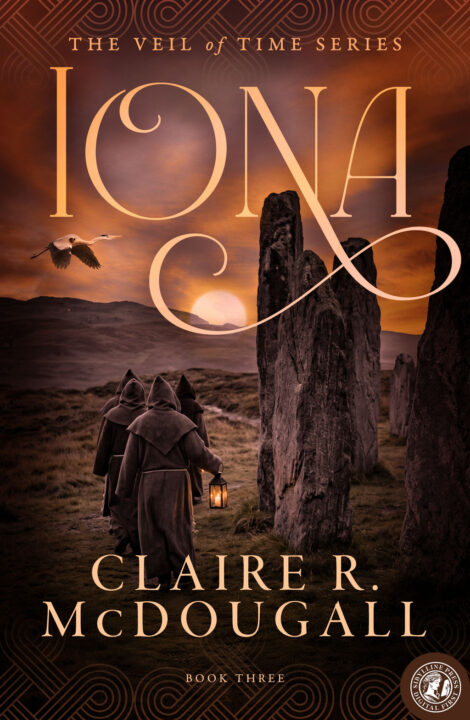
Iona: A Veil of Time Novel
Book three of the Veil of Time series. Drawn once more into eighth-century Scotland, Maggie lands in the middle of a bitter struggle between the rising Christian Church and the old Pictish traditions — a conflict centered on Iona, the sacred Isle of the Druids, where monks mean to raise a monastery on ground hallowed by generations of Fergus’s ancestors. Reunited with Fergus and his now-grown daughter as the fighting builds, she is pulled for the first time not only into the past but into an alternate future: one where the old beliefs were never erased, and where women lead a thriving technological society in the shadow of Dunadd.
Why it’s here: This is Celtic time-slip fantasy rather than a story about later life, published by Sibylline Digital First, whose whole list is women authors over 50. It sits on CroneHub for the thread running underneath the adventure — an older faith set against the church that displaced it, and an imagined future in which women hold the authority. A long view of women’s power, written by a woman writing in her own second half.
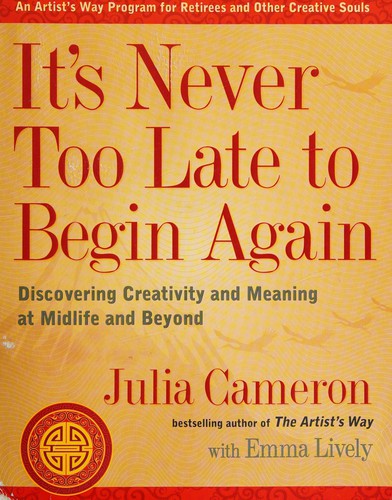
It’s Never Too Late to Begin Again
Julia Cameron, author of The Artist’s Way, adapted her famous creativity tools for people in retirement or any major life transition. Weekly tasks, morning pages, and artist’s dates — all recalibrated for the particular challenge of reinventing yourself when the structure of a career falls away.
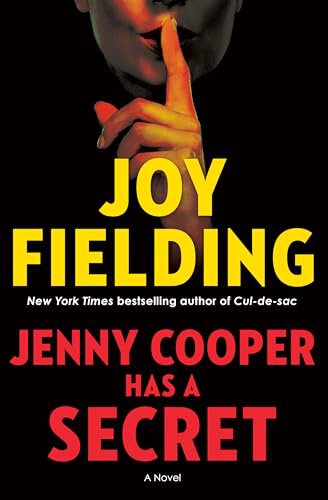
Jenny Cooper Has a Secret
Seventy-six-year-old Linda Davidson — a widowed retired teacher in Florida — is worn down by grief and a houseful of bickering family when she meets Jenny Cooper, a ninety-two-year-old dementia patient who calmly confesses to a lifetime of murders, mostly men who hurt her. Is it the confusion of a failing mind, or is Jenny lucid and telling the truth? A twisty psychological thriller anchored by two older women.
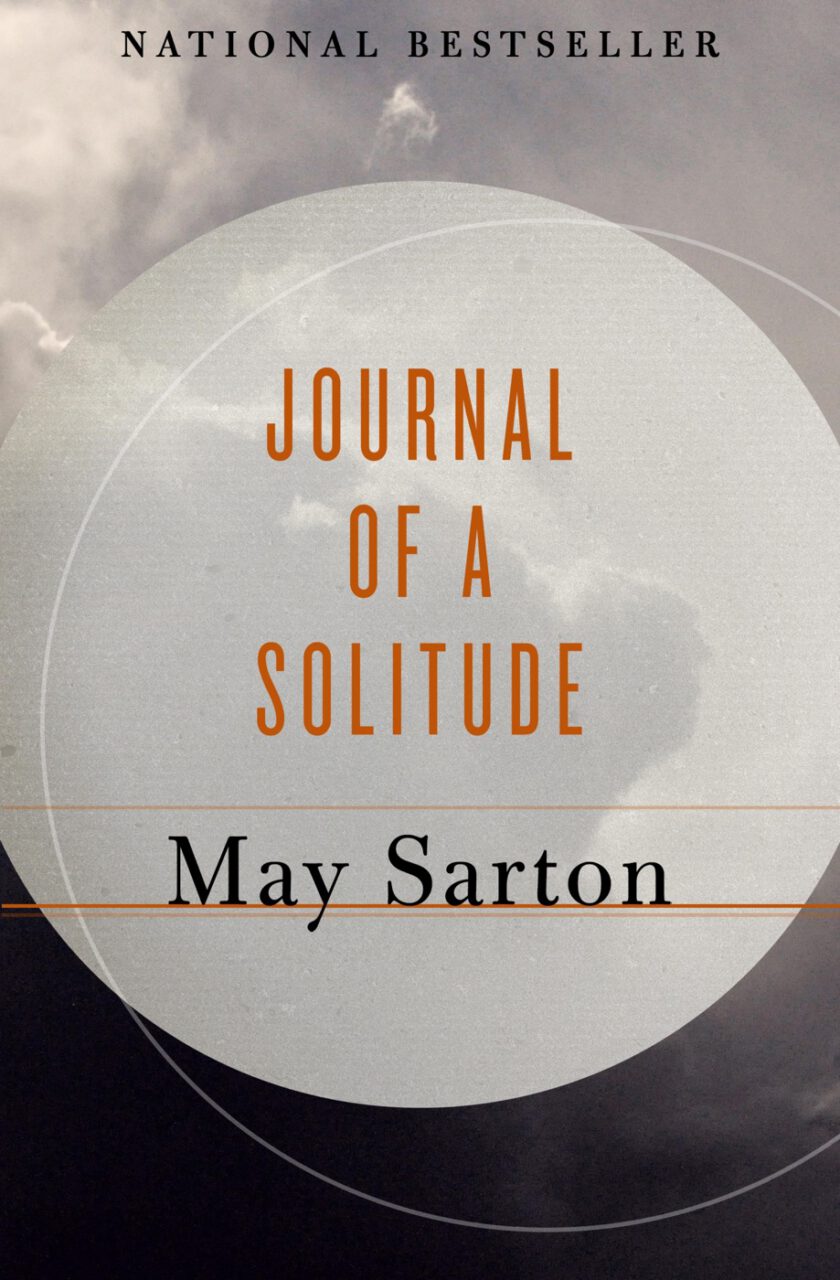
Journal of a Solitude
Sarton was sixty-one when she kept this record of a single year in her New Hampshire farmhouse, writing deliberately against the sunny public image her earlier memoir had created. It is a book about solitude as a working condition rather than a sorrow, and it is unguarded about depression, rage, and the cost of arranging a whole life around the work.
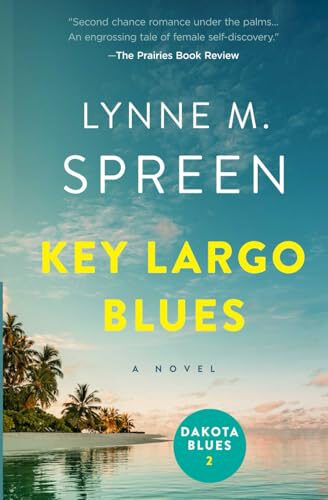
Key Largo Blues
Having broken free at fifty to start a new life, Karen Grace lands in Florida, camping out with friends and facing fresh relationships and setbacks. The sequel to Dakota Blues (Book 2) continues the later-in-life arc of reinvention.
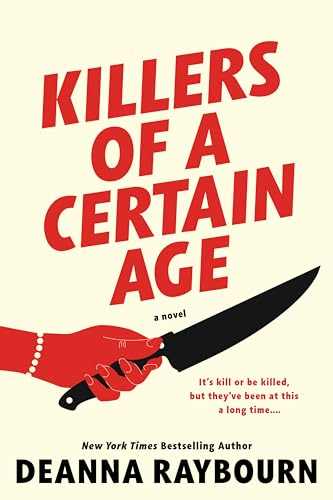
Killers of a Certain Age
Billie, Mary Alice, Helen, and Natalie spent forty years as assassins for an elite outfit called the Museum. When their long-awaited retirement cruise turns out to be a setup — the organization has marked them for death — the four women, now in their sixties, turn their decades of skill against their former employers. A sharp, funny thriller that treats being underestimated as older women as the ultimate weapon.
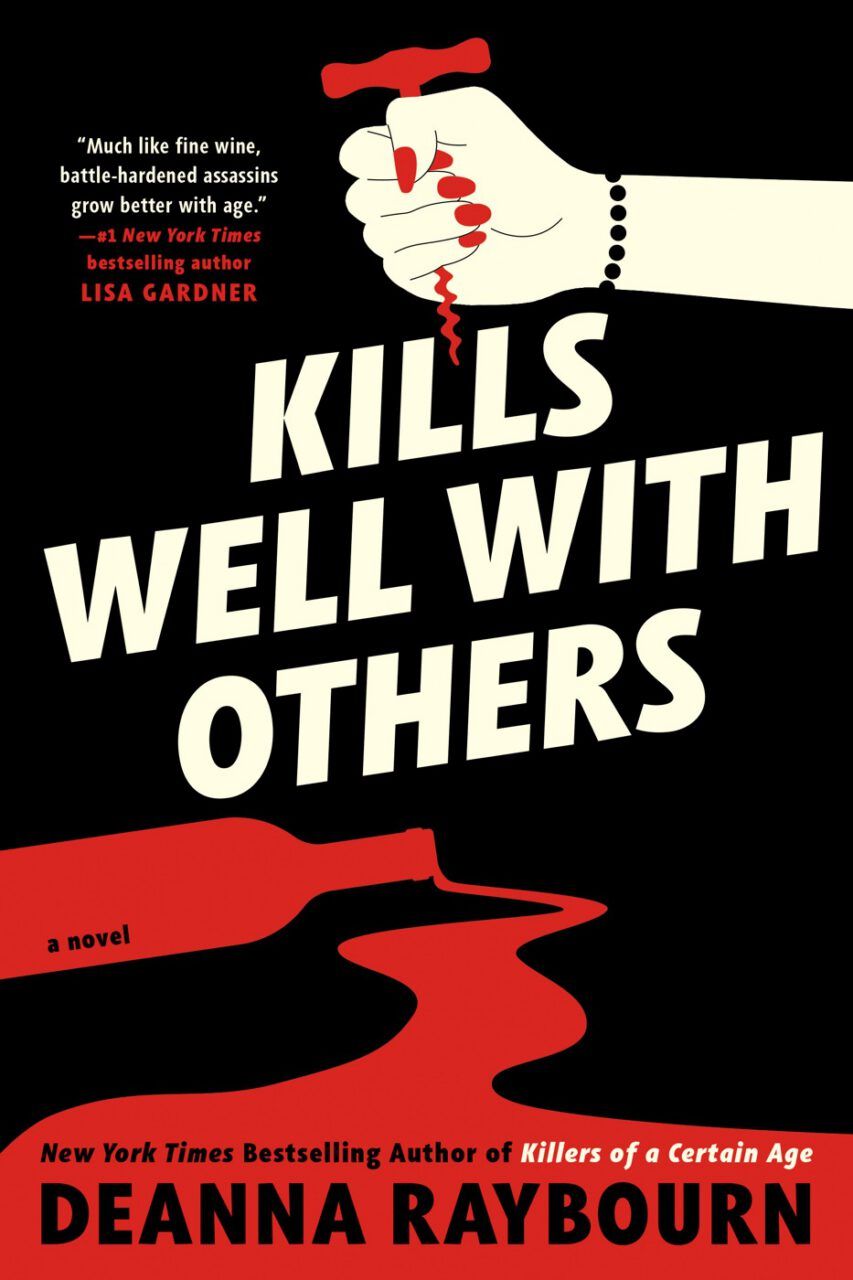
Kills Well with Others
The sequel to Killers of a Certain Age. Four women assassins, retired and comprehensively underestimated, are pulled back in, and their invisibility to everyone under fifty is once again the sharpest weapon they have.
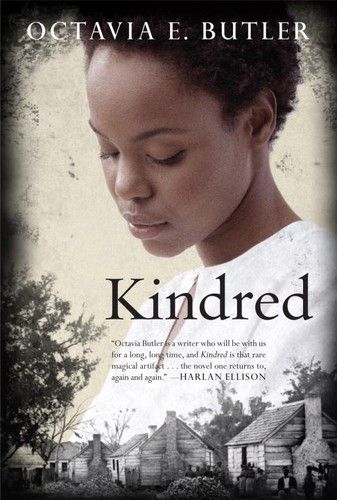
Kindred
On her twenty-sixth birthday in 1976, Dana, a young Black writer in California, is wrenched back through time to an antebellum Maryland plantation — summoned again and again to save the life of the white slaveholder who is her own ancestor. To secure her own existence she must survive the brutal world that made her. Octavia Butler’s genre-defining novel fuses science fiction and slave narrative into an unflinching meditation on power, kinship, and inheritance.
Why it’s here: Dana is a young protagonist, but Kindred is a foundational text on Black women’s lineage and the long reach of history — the legacy older readers carry and pass on — from one of the most important voices in American letters.

Klara’s Truth
A forty-nine-year-old archaeology professor travels to Poland after her estranged father’s death and uncovers her family’s wartime history — finding, along the way, a first romance and a new calling restoring Jewish cemeteries.
Why it’s here: Klara is 49 as it opens — a hair under our usual line — but the arc is pure second-half reinvention and reclaimed history.

Ladies’ Lunch: and Other Stories
Lore Segal, writing in her late 80s, collects stories about a group of elderly New Yorkers who meet regularly for lunch and grapple together with the losses and indignities of old age. Funny, exact, and utterly unsentimental — one of the most honest books written about what being old actually feels like.
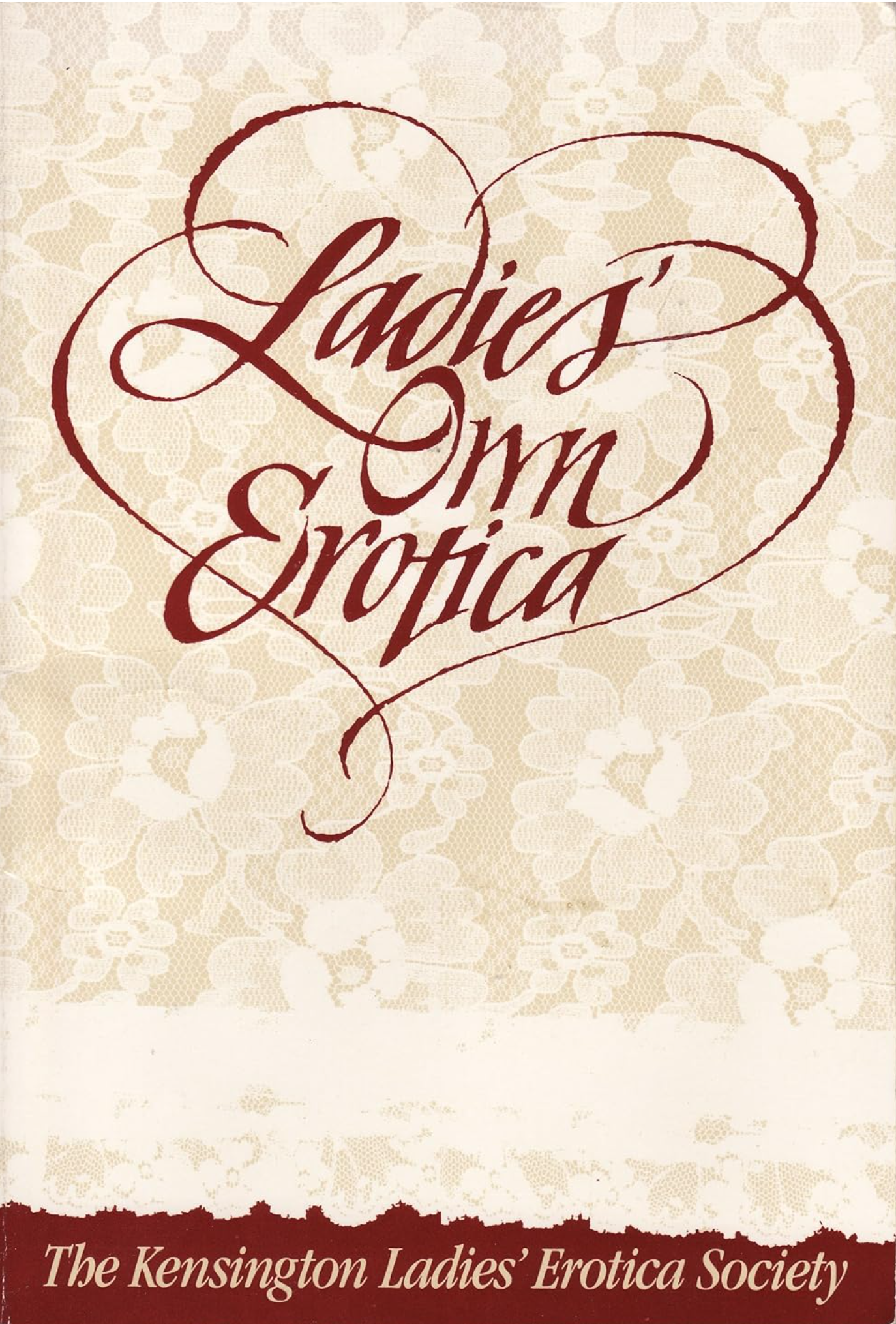
Ladies’ Own Erotica: Tales, Recipes, and Other Mischiefs by Older Women.
Our spiritual foremothers are the proper ladies of this California writing circle of the 1980s. The formal tone of these stories contrast beautifully with the tales of one-night stands, lovers who find each other after decades apart, and the bliss of married love as well. Just as in the Elderotica writing group that is still going strong in the Bay Area, the Ladies in this book use writing prompts to get their juices flowing, and they share some of their prompts here. As in my new book from North Atlantic Press, the Ladies’ Own Erotica encourages women of a certain age to come together in writing circles and share erotica and conversation.
Each of the women has a chance to tell her own story, and why she enjoyed the writing circle, in the “Kensington Ladies Revealed” chapter at the end of the book. There is something wonderful about coming together to write erotica, as these ladies discovered long ago.
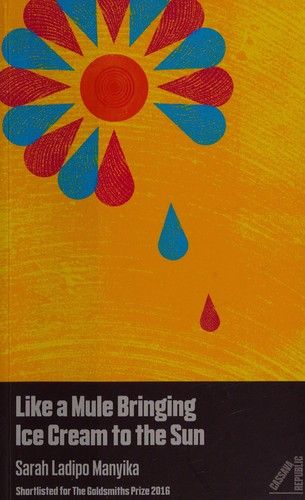
Like a Mule Bringing Ice Cream to the Sun
Morayo Da Silva, a Nigerian-born retired English professor, lives vibrantly alone in San Francisco surrounded by her beloved books, driving a sports car she calls Buttercup at seventy-four. When a fall lands her in a rehabilitation facility, her hard-won independence is shaken and she begins to reckon with her past loves and the life she has made. Sarah Ladipo Manyika’s slim, luminous novel is a tender, sensuous portrait of an older woman fully alive to the world.
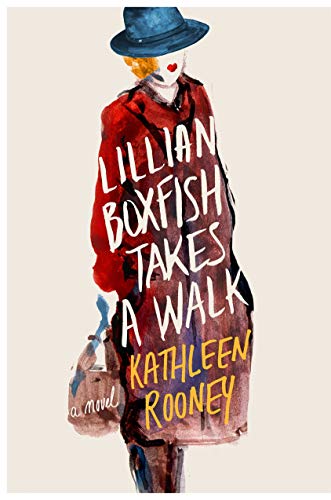
Lillian Boxfish Takes a Walk
On New Year’s Eve 1984, 85-year-old Lillian Boxfish—once the highest-paid advertising woman in America as R.H. Macy’s star copywriter—sets out on a ten-mile walk across Manhattan, revisiting the places and choices of a remarkable life. Inspired by the real-life poet and ad woman Margaret Fishback, Kathleen Rooney’s novel is a witty, defiant portrait of a woman who refuses to shrink with age.

London Sojourn
At sixty-five, Rebecca Knuth walks away from the security of academia to reinvent herself in London — enrolling in a writing program, training as a guide, and reclaiming her voice as her mother’s health fails.
Love Later in Life: 52 True Stories of Love’s Unexpected Next Chapter
Fifty-two true accounts from people who had decided their romantic chapter was closed — widowed, divorced, discouraged, or simply tired of looking. Relationship coach Nancy Ripp White collects the meetings that happened anyway: a laundry room, a high-school flame resurfacing, a message arriving on an ordinary Tuesday. What runs through all of them is what she argues younger love rarely teaches — depth, clarity, gratitude, and a sharp sense of what time is worth.
The complications are here too, not smoothed over: adult children with opinions, blended families, grief that has not finished, independence nobody wants to hand back. Almost every story opens the same way — “I wasn’t looking” — and White’s point is that they were living, and love met them there.
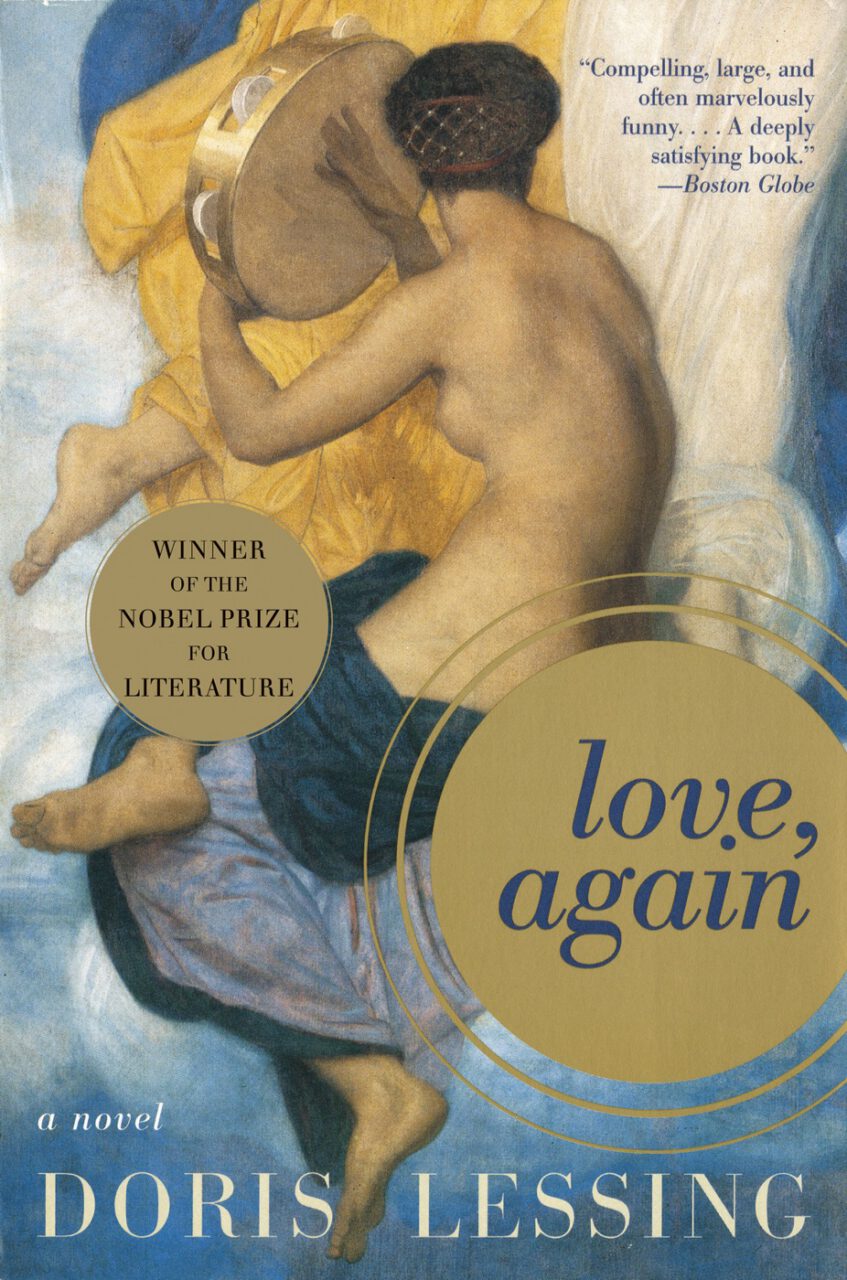
Love, Again
Sarah Durham, a widowed theatre producer in her sixties, falls unexpectedly and humiliatingly in love, and has to reckon with desire in a body the world has stopped looking at. Lessing wrote it at seventy-seven and refuses every consolation the plot invites.
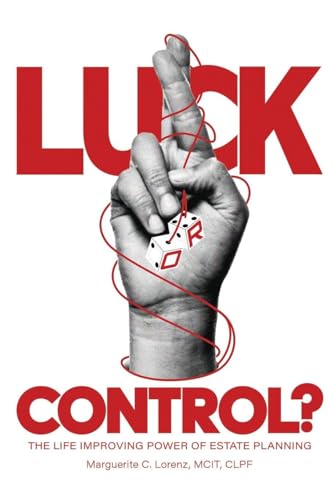
Luck or Control
Drawing on more than twenty years as a professional trustee and executor, Marguerite Lorenz recasts estate planning as an act of love rather than paperwork — the difference between leaving your future to luck and keeping control of it. With warmth and candor she walks readers through wills, trusts, powers of attorney, advance directives, care preferences, and legacy, showing why planning ahead is one of the greatest gifts you can give the people you love.

Maeve Rising: Coming Out Trans in Corporate America
After decades of depression, addiction, and self-loathing, Maeve DuVally got sober and, as a public-facing communications executive at Goldman Sachs, took the hardest step of coming out as her true self. To her surprise the firm embraced her, and a New York Times profile launched a new life as a role model.
Why it’s here: Maeve steps fully into herself in her late fifties — a later-life memoir of reinvention and courage from a woman who refused to run out the clock as someone she wasn’t.
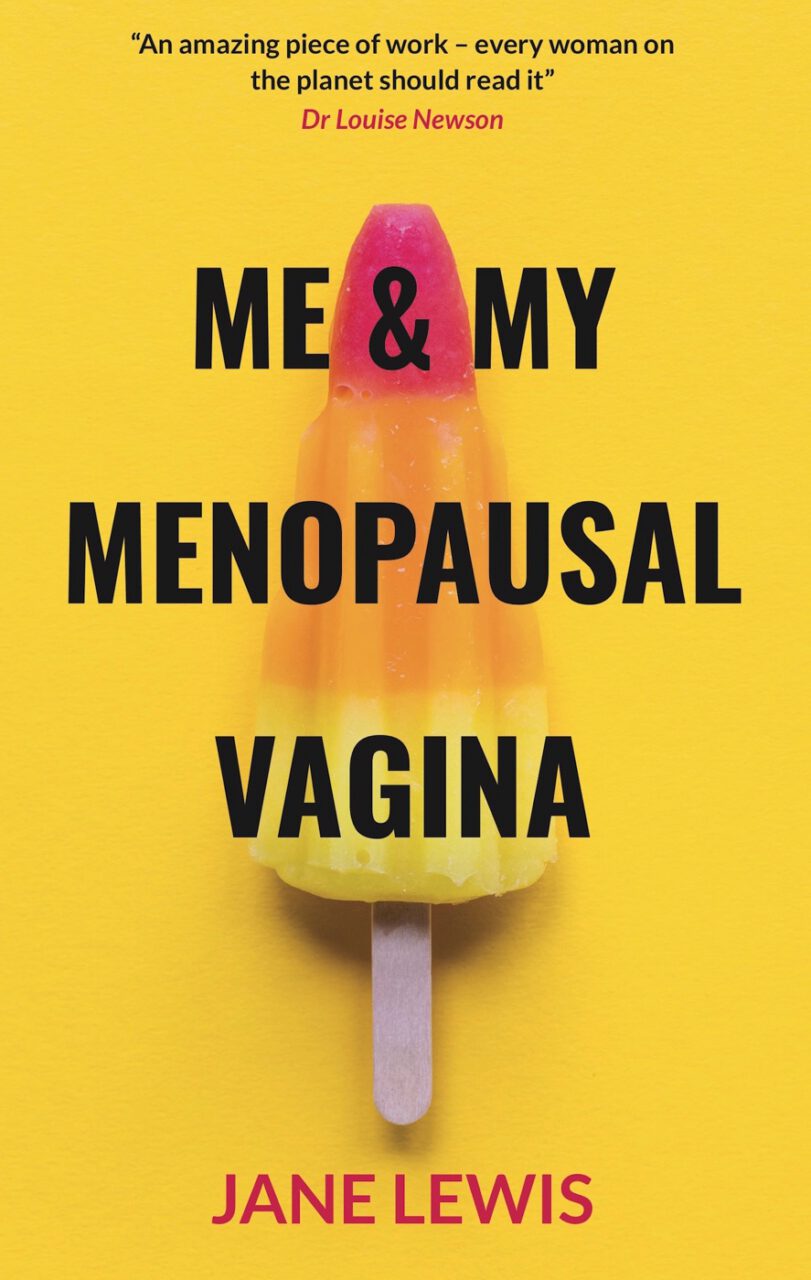
ME & MY MENOPAUSAL VAGINA
A single-subject book on vaginal atrophy, the genitourinary syndrome of menopause that affects a large majority of postmenopausal women and is discussed by almost none of them. Blunt, practical, and written because nothing else existed.
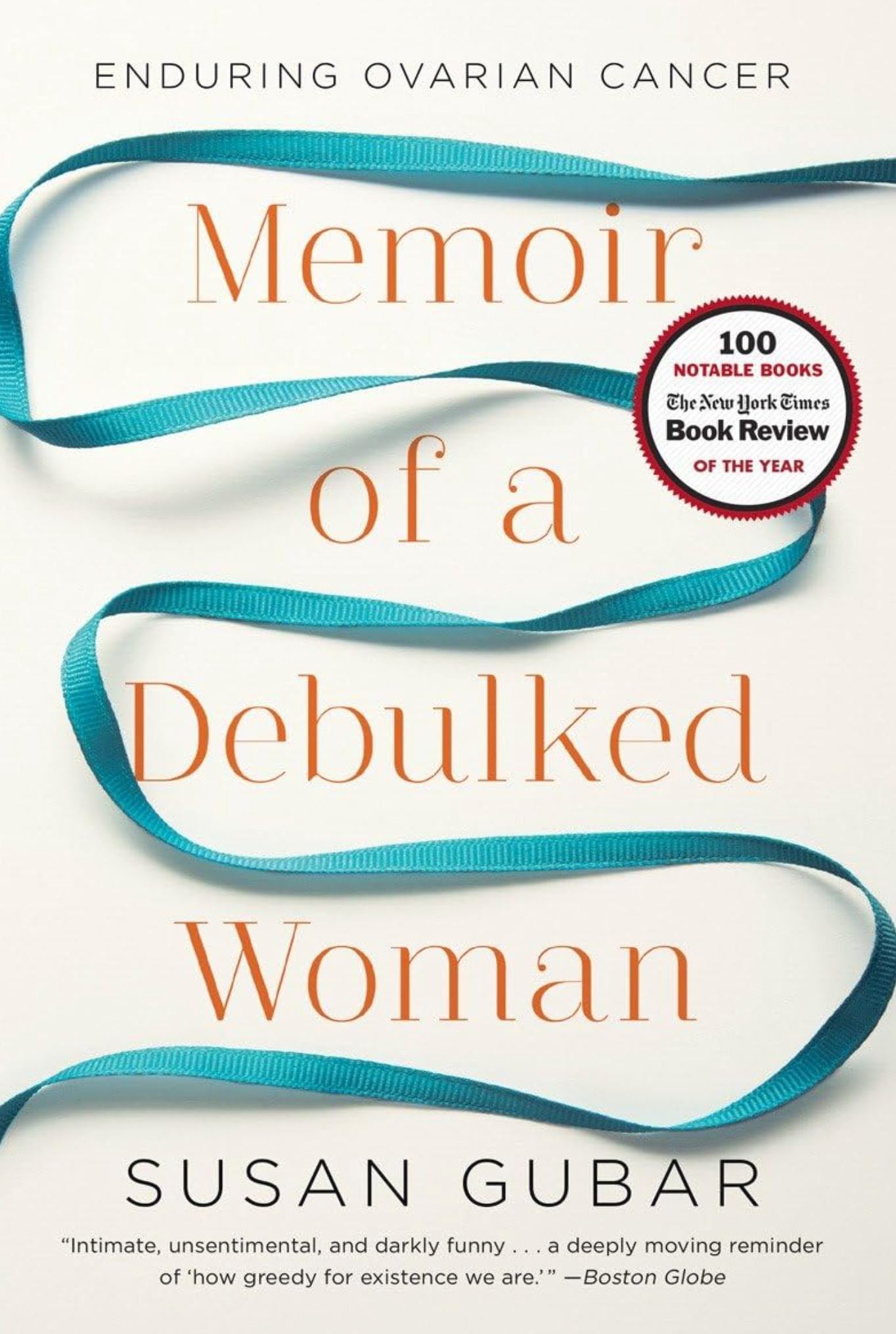
Memoir of a Debulked Woman: Enduring Ovarian Cancer
Literary scholar Susan Gubar was diagnosed with ovarian cancer in her mid-60s and chose to document what she calls being “debulked” — the brutal surgery that extended her life but transformed her body. This memoir is rigorous, unsentimental, and deeply moving: a reckoning with mortality, medicine, and the will to keep living and writing.
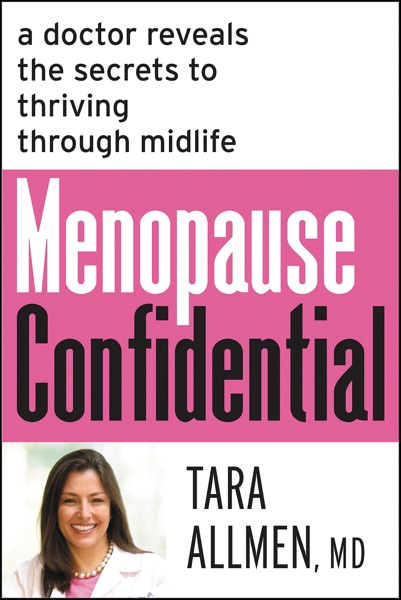
Menopause Confidential
A board-certified menopause practitioner shares everything she tells her patients, covering hot flashes, sleep disruption, vaginal changes, sexual health, bone loss, and heart disease risk. Clear, accessible, and reassuring.